Categories
Health & Wellness Hearing Devices

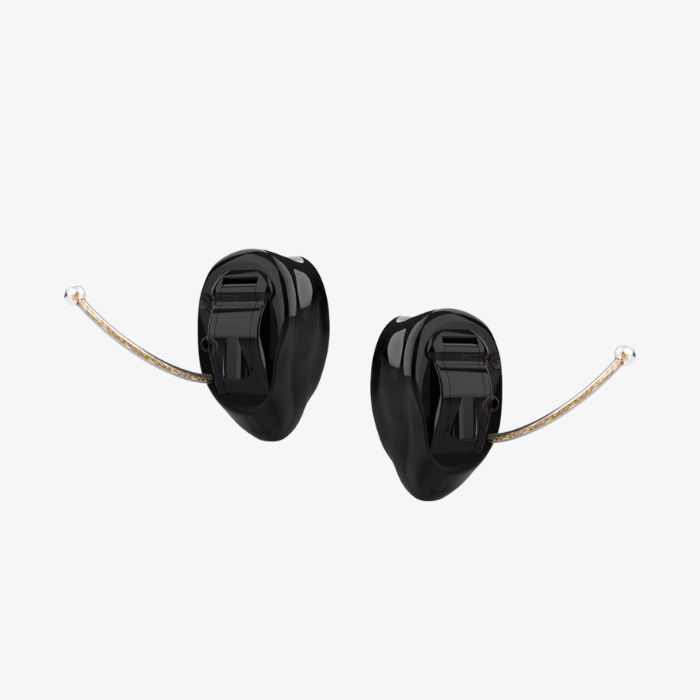
Oticon Zeal NXT: Innovative In-The-Ear Hearing Solution

Order your Oticon Zeal hearing aid here!

The Oticon Zeal represents the latest innovation in rechargeable hearing aids from Oticon, meticulously crafted for individuals seeking exceptional hearing performance in an almost invisible format. This remarkable device integrates sophisticated AI-driven sound processing, seamless Bluetooth connectivity, and BrainHearing technology to provide users with clear speech and natural auditory experiences. Its compact design makes it one of the most discreet complete hearing aid solutions available today, catering to those who prioritise both aesthetics and functionality.


Discover the Unique Features of the Oticon Zeal Hearing Aid

The Oticon Zeal is a groundbreaking in-ear hearing aid platform that merges discreet design with state-of-the-art hearing technology. Unlike many conventional invisible hearing aids, the Zeal boasts rechargeable batteries, Bluetooth streaming capabilities, support for Auracast, and advanced AI sound processing, all wrapped in a sleek, compact design.

Oticon proudly claims the Zeal to be “the world’s most discreet, complete hearing aid.” This device is tailored for users who desire both aesthetic discretion and the full spectrum of modern hearing aid functionalities, ensuring they can enjoy life without compromising on style or technology.


Explore the Outstanding Key Features of Oticon Zeal

Experience Second-Generation AI Sound Processing

The Oticon Zeal utilises cutting-edge AI-driven sound processing to enhance speech clarity and environmental awareness in real-time. This innovation enables users to engage in conversations more naturally, even in challenging acoustic environments, ensuring they remain connected and engaged in their surroundings.

Unlock the Potential of BrainHearing Technology

Oticon’s unique BrainHearing platform is designed to support the brain’s natural ability to process sound. By offering access to a well-balanced sound environment rather than focusing solely on isolating speech, users can experience a more holistic auditory experience that aligns with how we naturally perceive sound.

Benefit from the Ultra-Discreet In-Ear Design

The Zeal is expertly designed to fit discreetly inside the ear, making it significantly less noticeable than traditional behind-the-ear hearing aids. This ultra-discreet design ensures that users can enjoy the benefits of hearing assistance without drawing unnecessary attention to their hearing devices.

Enjoy the Convenience of a Rechargeable Battery System

Equipped with a built-in lithium-ion battery, the Oticon Zeal provides users with all-day hearing support, complemented by fast charging options. Additionally, a portable charging case is available, making it convenient for users to keep their devices powered throughout the day.

Seamlessly Connect with Bluetooth LE Audio & Auracast

With the ability to stream phone calls, music, meetings, and other media directly from compatible devices, users can enjoy full connectivity. The Oticon Zeal also supports the latest Auracast public broadcast technology, enhancing the user experience by allowing them to connect to various audio sources effortlessly.

Maximise Control with Smartphone App Compatibility

The Oticon Companion app empowers users to adjust their hearing aid settings, personalise listening programmes, and easily find misplaced hearing aids. This user-friendly app enhances the overall experience by providing direct control over hearing preferences at their fingertips.

Experience Flexible Same-Day Fitting Options

The Oticon Zeal accommodates both instant-fit dome options and custom earmould fittings, ensuring that each user receives a personalised level of comfort and retention. This flexibility allows users to experience their hearing aids without delay, enhancing their satisfaction from day one.


Discover the Advantages of Using Oticon Zeal Hearing Aids

Enjoy a Nearly Invisible Appearance

The Oticon Zeal is specifically designed for individuals who wish to receive hearing support without the noticeable presence of traditional hearing aids. This aesthetic consideration allows users to feel more confident and less self-conscious about their hearing devices.

Achieve Clear Speech Recognition in Noisy Environments

Thanks to its advanced AI-powered sound processing, users can experience improved speech understanding even in bustling environments such as restaurants, social gatherings, and busy public spaces, ultimately enhancing their social interactions and overall quality of life.

Enjoy Full Connectivity in a Compact Device

Unlike many invisible hearing aids, the Zeal integrates streaming capabilities, app control, rechargeable features, and Auracast support into a single compact device. This integration ensures users receive a comprehensive hearing solution that fits seamlessly into their lives.

Experience Comfortable Daily Wear

Many early users have praised the lightweight design of the Oticon Zeal, noting its exceptional comfort during prolonged wear. This feature is significant for those who rely on hearing aids throughout the day, as comfort directly affects usability and satisfaction.

Enjoy Natural Sound Quality for Enhanced Listening

Oticon’s BrainHearing approach aims to provide users with a more balanced and realistic sound quality. This design consideration reduces listening fatigue, allowing users to enjoy longer conversations without feeling overwhelmed or fatigued by their auditory experiences.


Read Real User Feedback on Oticon Zeal

Numerous users have described the Oticon Zeal as an “almost invisible” alternative to larger hearing aids while maintaining premium streaming and AI features. Feedback highlights the natural sound quality and comfort that the Zeal offers, particularly when compared to traditional behind-the-ear models.

However, some reviewers have mentioned that the compact size may pose challenges for users with dexterity issues during insertion. Additionally, battery life may fluctuate depending on streaming usage, which is an important consideration for prospective buyers.


Identify Who Will Benefit Most from Oticon Zeal

The Oticon Zeal may be the perfect choice for:

  • Individuals desiring nearly invisible hearing aids
  • Adults looking for rechargeable in-ear hearing aids
  • People seeking Bluetooth streaming capabilities in a discreet device
  • Users experiencing challenges with speech clarity in noisy environments
  • First-time hearing aid users eager to adopt modern AI technology

Summarise the Key Features and Benefits of Oticon Zeal

The Oticon Zeal harmoniously combines ultra-discreet styling with premium AI-powered hearing technology, rechargeable convenience, and comprehensive Bluetooth connectivity. This hearing aid is thoughtfully designed for users who desire natural sound, clearer conversations, and modern streaming features, all within one of the smallest hearing aid designs available. Zeal truly represents Oticon’s latest advancement in providing discreet and high-quality hearing solutions.

Categories
Health & Wellness Hearing Devices

Oticon Zeal NXT: In-The-Ear Hearing Solution

Click here to place your order!

The Oticon Zeal represents Oticon’s latest innovation in ultra-discreet, rechargeable hearing aids, aimed at individuals desiring exceptional hearing performance without sacrificing aesthetics. This advanced device integrates cutting-edge AI-powered sound processing, seamless Bluetooth connectivity, and innovative BrainHearing technology to provide users with exceptionally clear speech and a natural sound experience, all while being one of the most compact and discreet complete hearing solutions on the market today.


What Is the Oticon Zeal Hearing Aid?

The Oticon Zeal is a state-of-the-art in-ear hearing aid platform that masterfully blends discreet styling with top-tier hearing technology. Unlike numerous conventional invisible hearing aids, the Zeal is equipped with rechargeable batteries, allows for Bluetooth streaming, supports Auracast technology, and features AI sound processing, all within a compact design that prioritises user comfort and ease of use.

Oticon proudly markets Zeal as “the world’s most discreet, complete hearing aid,” catering specifically to users who desire both aesthetic discretion and full functionality that modern hearing aids offer, ensuring a seamless auditory experience.


Explore the Key Features of Oticon Zeal

Experience Second-Generation AI Sound Processing

The Oticon Zeal employs sophisticated AI-driven sound processing technology to enhance speech clarity and environmental awareness in real time. This feature enables users to engage in conversations more naturally, even in challenging auditory environments, significantly improving the overall listening experience.

Discover the Benefits of BrainHearing Technology

Oticon’s BrainHearing platform is designed to align with the way our brains naturally process sound. It offers users access to a balanced auditory environment, which promotes clearer understanding by avoiding the aggressive isolation of speech, thus enriching the listening experience in various settings.

Enjoy an Ultra-Discreet In-Ear Design

Engineered to fit snugly and discreetly inside the ear, the Zeal is significantly less conspicuous than traditional behind-the-ear hearing aids. This design choice allows users to enjoy the benefits of hearing support without drawing undue attention, making it an ideal option for those prioritising aesthetics.

Benefit from a Convenient Rechargeable Battery System

The integrated lithium-ion battery ensures all-day hearing support and features fast charging capabilities, along with portable charging case options. This convenience allows users to maintain their hearing aids effectively without the constant need for battery replacements, enhancing the overall user experience.

Leverage Bluetooth LE Audio & Auracast Capabilities

With Bluetooth LE Audio technology, users can effortlessly stream phone calls, music, meetings, and various media directly from compatible devices. The inclusion of Auracast public broadcast technology further expands the possibilities for connectivity, enriching the listening experience.

Utilise Smartphone App Compatibility for Enhanced Control

The Oticon Companion app empowers users to adjust settings, personalise listening programmes, and easily locate misplaced hearing aids. This level of control and customisation enhances user satisfaction and makes the hearing experience more tailored to individual preferences.

Experience Flexible Same-Day Fitting Options

The Oticon Zeal accommodates both instant-fit dome options and custom earmould fittings, allowing for a more personalised level of comfort and retention. This flexibility ensures that users receive a fitting solution that aligns perfectly with their needs and lifestyle.


Discover the Benefits of Using Oticon Zeal Hearing Aids

Enjoy a Nearly Invisible Appearance

The Oticon Zeal is specifically designed for individuals who seek hearing assistance without the noticeable presence of conventional hearing aids. This feature allows users to feel more confident and comfortable in social situations.

Achieve Clear Speech Recognition in Noisy Environments

Thanks to its advanced AI-powered sound processing, the Zeal significantly enhances speech understanding in bustling environments, such as restaurants and social gatherings. This capability transforms how users interact with their surroundings and improves their overall social experience.

Experience Full Connectivity in a Compact Device

Unlike many other invisible hearing aids, the Zeal integrates streaming, app control, rechargeability, and Auracast support into one compact device. This all-in-one functionality makes it an attractive option for users looking for convenience and versatility.

Enjoy Comfortable Daily Wear

Many early adopters of the Oticon Zeal commend its lightweight design, which allows for comfortable wear throughout the day. This emphasis on comfort ensures that users can enjoy their hearing aids without feeling weighed down or uncomfortable during extended use.

Experience Natural Sound Quality

Oticon’s BrainHearing approach is designed to provide users with a more balanced and realistic sound quality, which significantly reduces listening fatigue. This feature allows users to enjoy longer listening periods without discomfort, enhancing their overall auditory experience.


What Do Real Users Say About Oticon Zeal?

Users frequently describe the Oticon Zeal as an “almost invisible” alternative to larger hearing aids while still retaining premium streaming capabilities and advanced AI features. Many praise its natural sound quality and comfort, especially when compared to traditional behind-the-ear models.

However, some reviewers note that the compact size may pose challenges for users with dexterity issues during insertion, and battery life may fluctuate depending on the extent of streaming usage. It is essential to consider these factors when evaluating the suitability of this hearing aid.


Who Would Benefit Most from Oticon Zeal?

The Oticon Zeal may be particularly well-suited for:

  • Individuals desiring nearly invisible hearing aids
  • Adults looking for rechargeable in-ear hearing solutions
  • Those wanting Bluetooth streaming in a discreet device
  • Users facing challenges with speech clarity in noisy environments
  • First-time hearing aid users seeking modern AI technology

A Comprehensive Summary of Oticon Zeal

The Oticon Zeal seamlessly combines ultra-discreet styling with cutting-edge AI-powered hearing technology, offering rechargeable convenience and comprehensive Bluetooth connectivity. Tailored for users seeking natural sound, enhanced conversation clarity, and modern streaming functionalities within one of the smallest hearing aid designs available, the Zeal exemplifies Oticon’s latest advancements in discreet premium hearing solutions.

The post Oticon Zeal NXT In-The-Ear appeared first on Healthcare Marketing Service.

Categories
Health & Wellness Hearing Aids

Oticon Intent 1 RIC and BTE Hearing Aids Explained

Last Updated on 8th May 2026 by Dane Lozano

The Oticon Intent 1 stands as the pinnacle of premium technology within the Oticon Intent hearing aid range, specifically engineered to provide the utmost level of speech clarity, environmental awareness, and intelligent hearing support. This remarkable device is built around state-of-the-art 4D Sensor technology and the innovative BrainHearing philosophy developed by Oticon. The Intent 1 hearing aid continually adjusts to the user’s movements, conversations, and surroundings, ensuring a more tailored and natural listening experience that enhances overall satisfaction.

Targeting users who frequently navigate challenging listening environments, the Oticon Intent 1 seamlessly integrates advanced AI-driven sound processing, convenient rechargeable features, Bluetooth streaming, and real-time environmental adaptation within a discreet miniRITE design. This combination aims to deliver exceptional auditory experiences, making it a top choice for those who demand high performance in their hearing aids.

Price: Starting at approximately £1,995.00 per aid, depending on the selected fitting package and accessories.


What Distinguishes the Oticon Intent 1 from Other Hearing Aids?

The Oticon Intent 1 is the most advanced model within the Oticon Intent family, showcasing second-generation AI sound processing and 4D Sensor technology designed to analyse essential factors such as:

  • Head movement
  • Body movement
  • Conversation activity
  • Environmental sound conditions

This sophisticated analysis enables the hearing aids to intuitively comprehend what the wearer wishes to focus on, optimising hearing support in real-time to enhance their auditory experience.

The Intent 1 is specifically engineered to excel in noisy environments, such as restaurants, meetings, public spaces, and social gatherings, while still maintaining a natural level of environmental awareness, allowing users to stay connected to their surroundings.


Explore the Key Features of Oticon Intent 1

Experience the Benefits of 4D Sensor Technology

The Oticon Intent 1 utilises 4D Sensor technology to monitor movement and listening behaviour continuously, personalising the hearing support in real-time to ensure clearer speech understanding. This dynamic adaptation enhances the overall listening experience by responding to the user’s immediate auditory needs.

Understanding BrainHearing Technology for Improved Comfort

Oticon’s BrainHearing approach is designed to align with the brain’s natural way of interpreting sound, significantly reducing listening effort and enhancing overall comfort for the user. This technology allows for a more organic auditory experience, minimising cognitive load while maximising clarity.

Discover Premium AI Sound Processing Capabilities

The Intent 1 employs deep neural network processing, trained on millions of sound samples, to enhance speech clarity while preserving realistic sound quality across various listening environments. This advanced processing capability ensures that users receive the highest quality auditory experience available.

Achieve Maximum Speech Clarity in Challenging Environments

This premium level of the Intent 1 offers Oticon’s most effective speech enhancement and environmental balancing performance, particularly beneficial in challenging listening situations where clarity is vital. Users can confidently engage in conversations without the stress of missing critical information.

Enjoy the Convenience of a Rechargeable miniRITE Design

The discreet rechargeable miniRITE design of the Intent 1 ensures comfortable all-day wear, supported by reliable battery performance. This feature allows users to remain engaged in their daily activities without the concern of running low on power.

Seamless Connectivity with Bluetooth LE Audio & Auracast

The Oticon Intent 1 allows users to stream phone calls, music, television audio, and other media directly from compatible devices, enhancing their connectivity experiences. Additionally, it supports next-generation Auracast public broadcast audio, broadening the scope of audio sources available to the user.

Effortless Hands-Free Calling Experience

With compatibility for select smartphones, users can enjoy hands-free calling directly through their hearing aids, adding a layer of convenience to their communication options. This functionality is ideal for those who lead busy lives and need reliable connectivity.

Maximise Control with the Oticon Companion App

The Oticon Companion app provides users with the ability to personalise hearing programs, adjust settings, and access remote support features, enhancing the overall user experience. This app empowers users to take control of their hearing preferences with ease.


Discover the Benefits of Choosing Oticon Intent 1 Hearing Aids

Achieve the Best Speech Understanding Within the Intent Range

The Intent 1 model delivers unparalleled speech clarity performance in noisy and complex environments, allowing users to engage in conversations with confidence and ease.

Enjoy Personalised Hearing Support Tailored to Your Needs

The advanced 4D Sensor system automatically adapts based on the user’s listening intentions in real-world situations, ensuring a customised hearing experience that meets individual preferences.

Experience Reduced Listening Fatigue for Greater Comfort

With BrainHearing technology at its core, the Intent 1 significantly reduces mental strain by presenting sound in a more natural and balanced manner, allowing users to engage longer without feeling exhausted.

Maintain Natural Environmental Awareness While Listening

The Intent 1 effectively balances conversations with surrounding sounds, ensuring users do not experience an overly artificial listening experience that can detract from social interactions.

Seamless Streaming & Enhanced Connectivity Options

With features like Bluetooth LE Audio and Auracast, users enjoy robust connectivity for streaming phone calls, music, and public audio systems, allowing for versatile audio experiences in various settings.

Enjoy Comfort with Everyday Wearability

The lightweight miniRITE design of the Intent 1 ensures discreet and comfortable long-term use, making it an ideal choice for users who prioritise both functionality and comfort in their hearing aids.


What Do Real Users Say About Their Experience with Oticon Intent 1?

Numerous users commend the Oticon Intent hearing aids for their natural sound quality, effective environmental awareness, and smooth automatic adjustments, especially in comparison to older hearing aid platforms that lacked these features.

Specific feedback highlights the outstanding performance of the premium Intent 1 technology in settings such as restaurants and group conversations, where achieving clear speech understanding can be particularly challenging. Many users also appreciate the strong Bluetooth streaming quality and the convenience of rechargeable features that simplify their daily routines.

However, some users mention that working with an audiologist for fine-tuning may be necessary to fully personalise the advanced AI processing to suit individual listening preferences, ensuring each user maximises their auditory experience.


Who Will Benefit Most from the Oticon Intent 1 Hearing Aid?

The Oticon Intent 1 may be particularly well-suited for:

  • Users frequently in noisy environments who require enhanced clarity
  • Adults seeking Oticon’s highest premium technology level for optimal performance
  • Individuals struggling with speech clarity in group conversations
  • Users desiring rechargeable Bluetooth hearing aids for daily convenience
  • Those prioritising natural sound and environmental awareness in their listening experience

A Comprehensive Summary of Oticon Intent 1 Features

The Oticon Intent 1 represents a groundbreaking advancement in hearing aid technology, combining premium AI sound processing, revolutionary 4D Sensor technology, and BrainHearing support. It is meticulously designed for users who desire the highest level of speech clarity, intelligent environmental adaptation, and natural sound quality. The Intent 1 stands out as a premium solution for active, modern lifestyles, delivering performance that meets the demands of contemporary hearing needs.

The post Oticon Intent 1 RIC / BTE appeared first on Healthcare Marketing Service.

Categories
Health & Wellness Hearing Solutions

Oticon Intent 2 Hearing Aids: RIC and BTE Options

Last Updated on 8th May 2026 by Dane Lozano

The Oticon Intent 2 represents an advanced-level model within the Oticon Intent hearing aid range, meticulously crafted to offer exceptional speech clarity, enhanced natural environmental awareness, and tailored hearing support in a variety of everyday situations. By utilising Oticon’s revolutionary 4D Sensor technology alongside the BrainHearing philosophy, the Intent 2 intelligently adapts to the user’s listening focus and environmental context, thereby significantly improving speech understanding while preserving an authentic sound experience.

This model is specifically tailored for users who seek premium hearing technology without ascending to the top-tier Intent 1 level. The Intent 2 seamlessly merges AI-driven sound processing, the convenience of rechargeable batteries, Bluetooth streaming, and real-time environmental adaptation, all encapsulated in a discreet miniRITE design.

Price: Starting from approximately £1,795.00 per aid, depending on the selected fitting package and additional accessories.


What Is the Oticon Intent 2 and How Does It Work?

The Oticon Intent 2 stands as the second-highest technology tier in the esteemed Oticon Intent family. It employs sophisticated AI sound processing coupled with 4D Sensor technology to meticulously analyse:

  • Head movement
  • Body movement
  • Conversation activity
  • Environmental sound conditions

This innovative approach allows the hearing aids to autonomously adjust hearing support in accordance with the wearer’s listening intentions and environmental factors, ensuring a customised auditory experience.

Designed with the intention of delivering outstanding performance in daily listening scenarios such as restaurants, meetings, workspaces, family gatherings, and various public settings, the Intent 2 excels at preserving a natural awareness of environmental sounds.


Discover the Key Features of Oticon Intent 2 Hearing Aids

Revolutionary 4D Sensor Technology for Enhanced Listening

The Oticon Intent 2 continuously monitors movement and listening behaviours to optimise hearing support in real-time, ensuring clearer conversations and enhanced listening comfort for users.

Innovative BrainHearing Technology That Enhances Sound Processing

Utilising Oticon’s BrainHearing platform, this model enhances how the brain naturally processes sound, effectively reducing listening effort and significantly improving overall hearing comfort.

Advanced AI Sound Processing for Superior Speech Understanding

The Intent 2 employs deep neural network technology that has been trained on millions of real-world sounds, thus enhancing speech understanding while ensuring a balanced sound quality that users can appreciate.

Exceptional Speech Clarity in Challenging Noise Environments

The Intent 2 level boasts advanced speech enhancement capabilities and environmental balancing, making it an ideal choice for users who frequently find themselves in moderate to busy listening situations.

Rechargeable miniRITE Design for All-Day Comfort

The discreet and rechargeable miniRITE design ensures comfortable wear throughout the day, complemented by dependable battery performance that supports an active lifestyle.

Seamless Bluetooth LE Audio & Auracast Streaming

Users can effortlessly stream phone calls, music, television audio, and other media directly from compatible devices, all while supporting the next generation of Auracast technology for versatile audio experiences.

Convenient Hands-Free Calling Functionality

Users with compatible smartphones can enjoy the convenience of hands-free calling directly through their hearing aids, adding an extra layer of practicality to their daily communication.

Personalise Your Experience with the Oticon Companion App

The Companion app empowers users to tailor listening programmes, make adjustments to settings, and access remote support features, enhancing their overall hearing experience.


Explore the Benefits of Oticon Intent 2 Hearing Aids

Achieve Clear Speech in Everyday Noisy Environments

The Intent 2 has been specifically designed to significantly enhance speech understanding in various contexts such as restaurants, workplaces, meetings, and dynamic social environments where background noise is prevalent.

Experience Intelligent Personalised Hearing Support

The integrated 4D Sensor system automatically adjusts hearing support based on the user’s focus and movement patterns throughout the day, ensuring optimal auditory experiences in various scenarios.

Minimise Listening Fatigue with Advanced Technology

The BrainHearing technology effectively reduces mental strain by presenting sound in a balanced and natural manner, allowing users to engage in conversations without experiencing fatigue.

Maintain Natural Environmental Awareness

The Intent 2 prioritises awareness of surrounding sounds rather than aggressively isolating speech, which enhances the overall listening experience while keeping users connected to their environments.

Enjoy Strong Streaming & Connectivity for All Your Devices

With Bluetooth LE Audio and Auracast, users benefit from reliable streaming performance for phone calls, music, and public audio broadcasts, enhancing connectivity and convenience.

Delight in Comfortable Everyday Wear

The lightweight miniRITE design ensures discreet and comfortable long-term use, making these hearing aids an excellent choice for daily wear.


What Do Real Users Say About Their Oticon Intent 2 Experience?

Many users commend the Oticon Intent hearing aids for their natural sound quality and impressive automatic environmental adaptation. Numerous individuals report that the Intent 2 strikes an excellent balance between premium performance and affordability when compared to the flagship Intent 1 model.

Users frequently express their appreciation for the smooth sound transitions and realistic environmental awareness, while some indicate that personalised fitting adjustments could further enhance performance in more complex noisy scenarios.


Who Is the Oticon Intent 2 Most Suitable For?

The Oticon Intent 2 may be particularly well-suited for:

  • Individuals seeking advanced hearing technology at a more accessible price point than Intent 1
  • Adults who frequently navigate moderate noisy environments
  • People desiring rechargeable Bluetooth hearing aids
  • Users who prioritise natural sound quality and speech clarity in their hearing experience
  • Individuals looking for AI-powered hearing support for their daily activities

Summary of the Oticon Intent 2 Hearing Aid Features

The Oticon Intent 2 successfully merges cutting-edge AI sound processing, intelligent 4D Sensor technology, and BrainHearing support to provide exceptional speech clarity and personalised hearing performance for everyday life. It is designed for users seeking premium hearing support that offers strong value, modern connectivity, and a well-balanced combination of speech enhancement, environmental awareness, and rechargeable convenience.

The post Oticon Intent 2 RIC / BTE appeared first on Healthcare Marketing Service.

Categories
Health & Wellness Hearing Devices

Oticon Intent 4 Hearing Aids: RIC and BTE Options

Last Updated on 8th May 2026 by Dane Lozano

The Oticon Intent 4 stands out as the entry-level technology model within the Oticon Intent hearing aid family, meticulously crafted to provide users with clear everyday hearing support, exceptional sound quality, and advanced connectivity features within a sleek, discreet, and rechargeable design. Utilising Oticon’s Sirius processing platform along with BrainHearing technology, the Intent 4 enhances speech clarity during conversations, all while maintaining awareness of the surrounding environment, thereby creating a more natural listening experience.

Engineered specifically for individuals who predominantly navigate quiet to moderately noisy environments, the Oticon Intent 4 seamlessly integrates intelligent sound processing, Bluetooth streaming, rechargeable capabilities, and automatic environmental adjustments into a compact miniRITE or miniBTE design. This thoughtful design ensures that users enjoy comfort throughout their daily activities.

Price: Starting from approximately £1,295.00 per aid, depending on the chosen fitting package and accessories.


What Is the Oticon Intent 4?

The Oticon Intent 4 represents the most accessible technology level available within the expansive Oticon Intent range. It harnesses the power of Oticon’s Sirius processing chip and Deep Neural Network (DNN) technology to significantly enhance speech understanding and listening comfort in a variety of everyday situations. This model is particularly beneficial for individuals who prefer a more straightforward, user-friendly experience.

While the higher levels of the Intent range offer advanced features such as enhanced environmental adaptation and superior noise reduction, the Intent 4 is focused on delivering reliable hearing assistance for those leading quieter lifestyles and engaging in less demanding listening environments. This model provides an ideal balance of functionality and user-friendliness.

The Intent 4 is available in:

  • miniRITE rechargeable styles
  • miniBTE rechargeable styles

Both designs come equipped with Bluetooth streaming, rechargeable batteries, and compatibility with various Oticon accessories and apps, ensuring a comprehensive hearing solution.


Explore the Key Features of Oticon Intent 4

Experience BrainHearing Technology

Oticon’s innovative BrainHearing approach enhances the brain’s natural capacity to process sound, empowering users to engage in conversations with greater ease and comfort. This technology is designed to deliver an auditory experience that feels both natural and intuitive.

Unleash the Power of the Sirius Processing Chip

The Sirius chip serves as the backbone of the Intent 4’s sound processing and environmental adaptation system. It significantly improves speech understanding in various everyday listening scenarios, ensuring that users can follow conversations and engage in social interactions without difficulty.

Harness Deep Neural Network Sound Processing

Utilising Oticon’s DNN technology, which has been meticulously trained on millions of real-world sounds, the Intent 4 aims to enhance speech clarity while preserving essential environmental awareness. This balance allows users to engage with their surroundings without feeling isolated.

Explore Rechargeable miniRITE & miniBTE Designs

The Intent 4 is offered in discreet rechargeable styles that prioritise comfort for all-day wear. Users can enjoy reliable battery life without the hassle of changing disposable batteries, making it a practical choice for everyday use.

Enjoy Seamless Bluetooth Streaming & Connectivity

With the capability to stream calls, music, television audio, and various media directly from compatible smartphones and devices, users can enjoy an enhanced auditory experience that integrates seamlessly into their daily lives.

Benefit from Auracast Compatibility

The Intent 4 is designed to support next-generation Auracast technology, facilitating public wireless audio broadcasting. This feature enhances the user experience by allowing more flexible listening options in public spaces.

Take Control with the Oticon Companion App

The Oticon Companion app empowers users to personalise settings, adjust volume levels, change programmes, and access support features remotely. This functionality enhances user autonomy and ensures optimal hearing experiences tailored to individual preferences.

Enjoy Water & Dust Resistance

Designed for durability, the Intent hearing aids boast an IP68 rating, providing robust protection against dust and moisture exposure. This feature ensures that the devices remain functional and reliable in various environments.


Discover the Benefits of Oticon Intent 4 Hearing Aids

Enhance Clear Everyday Conversations

The Intent 4 significantly aids users in hearing speech more clearly during family discussions, television viewing, shopping excursions, and other daily activities. This clarity promotes better communication and social interaction, enriching everyday experiences.

Experience Natural Sound Quality

Oticon’s BrainHearing platform prioritises balanced environmental sound awareness, steering clear of overly aggressive sound filtering. This approach allows users to maintain a more natural listening experience, making conversations feel more genuine and immersive.

Achieve Comfortable Daily Listening

Automatic sound adjustments integrated into the system help minimise listening fatigue throughout the day. This feature ensures that users can engage comfortably in conversations and other auditory activities without feeling overwhelmed or fatigued.

Embrace Modern Streaming Features

The inclusion of Bluetooth streaming and Auracast support allows users to enjoy calls, music, and media directly through their hearing aids, enhancing the overall audio experience and providing greater convenience in everyday life.

Benefit from Rechargeable Convenience

The advanced rechargeable battery system eliminates the need for disposable batteries, offering users reliable all-day hearing support without the inconvenience of frequent battery changes. This innovation enhances user satisfaction and promotes a more sustainable approach to hearing assistance.

Access Premium Technology at an Affordable Price

The Intent 4 provides access to many of Oticon’s modern premium platform features at a more affordable technology level. This accessibility enables more individuals to experience high-quality hearing support without straining their budgets.


What Do Real Users Say About Their Experience with Oticon Intent 4?

Feedback from users indicates that the Oticon Intent 4 offers excellent value for those who primarily reside in quieter environments and do not frequently encounter highly noisy situations. Many users highlight that the differences between Intent 4 and the higher-level Intent 3 may be relatively minor for those leading quieter lifestyles, whereas more significant improvements are often noted when upgrading to Intent 1 or 2.

Several users emphasise the importance of personalised fine-tuning with an audiologist during the adjustment period, particularly for first-time hearing aid wearers. This tailored approach can significantly enhance the overall user experience and satisfaction.


Who Will Benefit Most from the Oticon Intent 4?

The Oticon Intent 4 may be particularly well-suited for:

  • First-time hearing aid users seeking a straightforward solution
  • Adults with quiet to moderately active lifestyles looking for reliable hearing support
  • Users wanting rechargeable Bluetooth hearing aids for modern convenience
  • Individuals seeking affordable AI-assisted hearing technology that enhances everyday communication
  • People desiring natural sound quality and everyday speech support in various situations

A Comprehensive Summary of Oticon Intent 4

The Oticon Intent 4 elegantly combines BrainHearing technology, AI-powered sound processing, rechargeable convenience, and Bluetooth connectivity into a sleek, modern hearing aid design. It serves as an excellent solution for users seeking dependable everyday hearing support at a more accessible price point. With its commitment to delivering natural sound quality, clear conversations, and modern wireless features, the Intent 4 is poised to enhance daily life significantly.

The post Oticon Intent 4 RIC / BTE appeared first on Healthcare Marketing Service.

Categories
Health & Wellness Hearing Aids

Oticon Intent 3 Hearing Aids: RIC and BTE Options

Last Updated on 8th May 2026 by Dane Lozano

The Oticon Intent 3 stands out as a mid-tier offering within the Oticon Intent hearing aid range, crafted to provide exceptional everyday speech clarity, enhanced natural sound awareness, and tailored AI-assisted hearing support. Leveraging Oticon’s cutting-edge 4D Sensor technology alongside their innovative BrainHearing philosophy, the Intent 3 effectively adjusts to the user’s movements, focus on conversations, and the surrounding sound environment. This ensures a more comfortable and authentic hearing experience, making it an excellent choice for those seeking reliable auditory assistance.

Targeted at individuals who desire modern hearing technology that excels in everyday performance, the Intent 3 seamlessly integrates intelligent sound processing, the convenience of rechargeable batteries, and Bluetooth streaming capabilities, all wrapped in a discreet miniRITE design. This model represents a perfect blend of functionality and aesthetics, catering to users seeking both style and substance in their hearing aids.

Price: Starting from approximately £1,595.00 per aid, depending on the selected fitting package and accessories.


What Is the Oticon Intent 3?

The Oticon Intent 3 represents the third tier in the innovative Oticon Intent family of hearing aids. This state-of-the-art device employs AI-powered sound processing and 4D Sensor technology to continuously monitor various factors including:

  • Head movement
  • Body movement
  • Conversation activity
  • Environmental sound conditions

By doing so, the hearing aids can automatically optimise auditory support based on the wearer’s environment and focus on listening throughout different contexts during the day. This level of adaptability is crucial for achieving optimal hearing performance.

Designed to enhance reliable speech clarity and ensure listening comfort across diverse everyday environments, including home settings, retail spaces, workplaces, cafés, and intimate social gatherings, the Intent 3 excels in facilitating effective communication.


Discover the Key Features of the Oticon Intent 3

Experience the Benefits of 4D Sensor Technology

The Oticon Intent 3 incorporates intelligent sensors that monitor user movement and the surrounding sound environments, enabling it to automatically enhance speech understanding and listening comfort. This sophisticated technology ensures that users experience optimal auditory support regardless of their surroundings.

Understanding BrainHearing Technology

Oticon’s BrainHearing platform is designed to facilitate natural sound processing, effectively reducing the effort required for listening while maintaining awareness of environmental sounds. This technology significantly enhances the user’s ability to engage in conversations without experiencing fatigue.

Harnessing AI Sound Processing for Enhanced Clarity

The Intent 3 employs deep neural network processing, trained on real-world sound environments, to refine speech clarity while ensuring a well-rounded sound quality. This advanced approach allows users to enjoy a richer auditory experience, making conversations more enjoyable.

Elevating Everyday Speech Enhancement

This level of the Intent series provides consistent speech enhancement capabilities and effective noise management, making it suitable for quiet to moderately noisy environments. Users can experience clearer communication in various settings, from family gatherings to public interactions.

Embrace the Rechargeable miniRITE Design

The lightweight and rechargeable miniRITE design ensures a discreet appearance while offering comfort during daily wear. With dependable battery performance, users can enjoy prolonged use without the hassle of frequent recharging.

Seamless Bluetooth LE Audio & Auracast Integration

Users can enjoy the convenience of streaming calls, music, television audio, and various media directly from compatible devices, thanks to support for the next-generation Auracast technology. This feature enhances the overall user experience by integrating modern connectivity options.

Enjoy Hands-Free Calling

With compatibility for select smartphones, users can experience hands-free phone calls directly through their hearing aids, providing a seamless communication experience that enhances convenience during daily tasks.

Utilise the Oticon Companion App for Customisation

The Oticon Companion app empowers users to adjust settings, personalise sound programs, and manage hearing aid controls with ease. This user-friendly application enhances the overall experience by allowing for tailored adjustments based on individual preferences.


Explore the Benefits of Oticon Intent 3 Hearing Aids

Enhancing Everyday Conversations for Clarity

The Intent 3 significantly aids users in hearing speech more clearly across various daily listening scenarios, including family discussions, professional meetings, and interactions in public spaces. This improvement fosters better communication and connection with others.

Experience Intelligent Automatic Adjustments

The advanced 4D Sensor system ensures that hearing support adapts automatically as environments and conversations evolve throughout the day, providing users with the necessary auditory assistance tailored to their needs.

Benefit from Reduced Listening Effort

By utilising BrainHearing technology, the Intent 3 helps deliver sound more naturally, effectively reducing mental fatigue that often accompanies longer conversations. This feature allows users to engage more actively without feeling overwhelmed.

Achieve Natural Sound Awareness

The Intent 3 strikes a balance between speech and surrounding sounds, ensuring that users do not experience an overly isolated or artificial listening experience. This natural sound awareness enhances the overall quality of interactions.

Enjoy Reliable Streaming & Connectivity

With Bluetooth LE Audio and Auracast technology, users benefit from modern streaming capabilities for calls, media, and wireless audio broadcasting, enhancing the versatility and functionality of the hearing aids.

Experience Comfortable Daily Wear

The discreet miniRITE design ensures comfortable long-term use, making it suitable for active lifestyles. Users can engage in daily activities without the distraction or discomfort often associated with traditional hearing aids.


What Do Real Users Think About Oticon Intent 3?

Numerous users commend the Oticon Intent hearing aids for their exceptional sound quality and automatic adjustments to environmental changes. Many find that the Intent 3 delivers strong performance for their daily listening requirements, all while being more budget-friendly compared to the higher-tier Intent 1 and Intent 2 models.

Users frequently express appreciation for the harmonious blend of speech clarity, environmental awareness, and rechargeable convenience, particularly appreciating its effectiveness in moderate listening conditions.


Who Is the Ideal Candidate for the Oticon Intent 3?

The Oticon Intent 3 may be particularly well-suited for:

  • Individuals seeking advanced hearing technology at a more affordable price point
  • Adults who predominantly occupy quiet to moderately noisy environments
  • Users interested in rechargeable Bluetooth hearing aids
  • Individuals prioritising natural sound quality coupled with everyday speech clarity
  • People desiring AI-powered hearing support for seamless integration into daily life

Summarising the Oticon Intent 3 Experience

The Oticon Intent 3 uniquely combines AI sound processing, intelligent 4D Sensor technology, and BrainHearing support, delivering dependable everyday hearing performance with a focus on natural sound quality and strong speech understanding. This model caters to users seeking modern hearing technology that balances features and value, providing exceptional support for daily listening needs in a discreet rechargeable format.

The post Oticon Intent 3 RIC / BTE appeared first on Healthcare Marketing Service.

Categories
Brand Strategy Health & Wellness

Expanding Healthcare Brand Reach: A Guide for the UK

Maximise the Impact of Digital Marketing for Your Healthcare Brand

Digital marketing has become an essential component for improving your healthcare brand’s visibility. In today’s digital environment, where a growing number of individuals seek health-related information online, establishing a robust online presence is crucial. This digital footprint not only enhances your visibility but also fosters meaningful engagement with your target audience across the UK. To thrive, it is imperative to implement effective digital marketing strategies that cater to the distinctive needs and preferences of your potential patients. These customised approaches ensure that you interact with your audience in a manner that is both impactful and informative.

Transform Your Website to Achieve Exceptional Performance

Modern website interface with SEO icons, optimised for UK healthcare, enhancing visibility and attracting patients.

A well-optimised website serves as the foundation of your digital marketing initiatives. It is essential that your site is SEO-friendly, which includes the careful integration of relevant keywords throughout your content. For healthcare brands in the UK, it is vital to include keywords that resonate with local health concerns and the specific services you provide. Implementing on-page SEO techniques such as refining meta tags, headers, and image alt texts can significantly enhance your website’s visibility in search engine results. This will attract more traffic from potential patients who are actively searching for your services.

Moreover, it is imperative to ensure that your website is mobile-responsive. With a significant portion of the UK population accessing websites via smartphones, a mobile-optimised site guarantees that visitors enjoy a seamless browsing experience regardless of their device. Google prioritises mobile-friendly websites in its search rankings, making it crucial to address this aspect of your site. Conduct thorough testing across various devices and screen sizes to ensure that your website is visually appealing and functions flawlessly for all visitors.

Boosting user engagement is achievable through well-structured content and intuitive navigation. A blog that addresses common healthcare queries or clarifies services in clear, understandable language can attract a larger audience. Additionally, incorporating engaging visuals, such as infographics that highlight health trends in the UK, can elevate the user experience, establishing your website as a reliable source of health-related information. This strategy not only informs but also captivates visitors, encouraging them to explore your offerings more deeply.

Lastly, consider integrating local SEO strategies into your marketing efforts. Creating a Google My Business account can substantially enhance your visibility in local searches. Ensure that your address, phone number, and operating hours are consistent and accurate across all platforms. Encouraging satisfied patients to leave positive reviews can further enhance your credibility and attract new patients in your area, solidifying your reputation as a dependable healthcare provider within the community.

Connect with Target Audiences Effectively Through Social Media Platforms

Social media channels, such as Twitter and LinkedIn, offer unique opportunities for healthcare brands to engage with UK audiences. These platforms facilitate direct interactions with potential patients, allowing you to cultivate a community around your brand. Regularly sharing informative content, such as health tips or updates on local health initiatives, helps position your brand as a trusted authority in the healthcare sector, fostering deeper engagement and loyalty among your audience.

Engaging effectively is the cornerstone of successful social media marketing. Be proactive in responding to comments, addressing inquiries, and participating in discussions within relevant community groups. This approach fosters trust and encourages more individuals to share your content, thus broadening your reach. Stay informed about trending topics and strategically utilise hashtags to insert yourself into conversations that resonate with your audience. For example, actively participating in health awareness campaigns or discussions regarding NHS services can significantly enhance your visibility among individuals interested in these matters.

Consider exploring targeted advertising on social media platforms as well. These advertisements can be finely tuned to reach specific demographics, ensuring that your message resonates with the appropriate audience segments. For instance, if you are promoting a new telehealth service, you might target parents, older adults, or residents in underserved areas—all of whom would stand to benefit from your service offerings. This focused targeting maximises the effectiveness of your advertising efforts, resulting in higher engagement rates.

Moreover, creating engaging content—such as videos featuring patient testimonials or behind-the-scenes glimpses of your practice—can be highly beneficial. Visual content tends to perform better on social media platforms, capturing attention and encouraging shares. This strategy effectively broadens your outreach while maintaining a friendly and approachable brand image that resonates with prospective patients.

Boost Visibility Through Strategic PPC Advertising Campaigns

Pay-per-click (PPC) advertising provides an excellent avenue for quickly enhancing your brand’s visibility. Platforms such as Google Ads enable you to target specific demographics, reaching individuals who are actively searching for healthcare services in the UK. By employing well-researched keywords related to your offerings, you can ensure that your ads appear prominently when potential patients seek relevant information, effectively directing traffic to your website.

When setting up your PPC campaigns, focus on crafting compelling ad copy that speaks directly to the needs and concerns of your audience. Highlight your unique selling propositions, such as innovative treatment options or a patient-centric approach to care, to differentiate your brand from competitors. Additionally, tailoring your ads to resonate with UK audiences by mentioning local towns, cities, or landmarks can create a more personal connection, thereby improving click-through rates and engagement.

Utilising remarketing strategies is equally important for re-engaging visitors who may not have converted during their initial visit. By displaying targeted ads to users who have previously interacted with your site, you can maintain your brand’s presence and encourage them to return for the services they need. This tactic not only aids in conversion but also enhances overall brand recall among potential patients.

It is essential to continuously monitor the performance of your PPC campaigns. Utilise analytics tools to evaluate which keywords and ad copy yield the best results, enabling you to refine your strategy over time. Insights gained from this data can inform future campaigns, ensuring your marketing efforts remain effective and aligned with the changing needs of your UK audience.

Establish Strategic Partnerships with Local Healthcare Providers

Handshake between healthcare startup representative and UK clinic doctor, symbolising strategic partnership and community trust.

Forming partnerships with local healthcare providers can significantly expand your reach and enhance your credibility within the community. Collaborating with established entities in the UK healthcare system not only broadens your professional network but also solidifies your brand’s reputation as a trustworthy healthcare provider among potential patients.

Collaborate with NHS Trusts to Promote Community Health Initiatives

Partnering with NHS Trusts offers a unique opportunity to integrate your services into the UK healthcare framework. These collaborations can facilitate access to a broader audience and position your brand as a trusted healthcare provider within the community. Explore various avenues for collaboration on health initiatives, such as organising wellness workshops or participating in community health fairs, which raise awareness about your services while promoting public health.

Collaborations with NHS Trusts also enable the sharing of resources and expertise, enhancing the quality of care you provide. For instance, co-hosting events can foster valuable discussions surrounding local health issues, thus positioning your healthcare brand as a proactive participant in community health initiatives. This proactive approach can lead to increased patient trust and engagement.

When approaching an NHS Trust for collaboration, it is crucial to present a clear proposal that outlines how the partnership will benefit both parties. Consider the needs of the Trust and articulate how your services can address those needs, whether through specialised care, educational resources, or innovative technology-driven solutions. This tailored approach can facilitate fruitful collaborations that benefit the entire community.

Additionally, being associated with reputable NHS institutions can significantly enhance your brand’s credibility. Patients often prefer to select services linked with NHS Trusts, making this collaboration a strategic move for extending your reach and establishing trust within the community.

Collaborate with Private Clinics for Enhanced Service Offerings

Partnering with private clinics across the UK provides an opportunity to engage a different demographic than NHS facilities, thereby broadening your audience. These clinics often cater to patients seeking specific services, offering a unique chance for you to target and effectively meet their needs. Cross-promoting services can ensure that patients are aware of the comprehensive range of care options available to them, leading to increased patient flow for both parties.

Consider establishing referral programmes that incentivise private clinics to recommend your services. By nurturing a reciprocal relationship, both your brand and the private clinics can benefit from an increased patient base. This partnership can also pave the way for collaborative care opportunities, ensuring patients receive comprehensive treatment that leverages the strengths of both healthcare entities.

Moreover, organising joint events—such as health talks or complimentary clinics—can enhance community engagement. These initiatives not only build goodwill but also promote awareness about the services offered by both your brand and the private clinic, ultimately expanding your reach and influence within the community.

Sponsor Medical Conferences to Showcase Your Expertise and Brand

A medical conference in the UK with healthcare professionals networking and sponsor booths showcasing case studies and success stories.

Sponsoring medical conferences in the UK is an effective strategy for networking with healthcare professionals and showcasing your brand. These events attract a diverse array of industry stakeholders, providing exposure to potential partnerships and collaborations that can significantly extend your reach. By associating your brand with these important gatherings, you can enhance your visibility and credibility within the healthcare sector.

As a sponsor, you will have the opportunity to present your services to a captive audience of healthcare professionals. Consider showcasing impactful case studies or success stories that highlight the value of your offerings. Engaging presentations can leave a lasting impression, making attendees more likely to remember your brand when they seek relevant healthcare solutions.

Furthermore, sponsoring conferences demonstrates your commitment to advancing healthcare in the UK. Participating in discussions or panels can position you as a thought leader in the field, enhancing your brand’s credibility and trustworthiness among peers and potential patients alike. This positioning can lead to increased inquiries and referrals for your services.

Do not underestimate the power of networking at these events. Invest time in connecting with other sponsors, speakers, and attendees. Building relationships with key figures can open doors to future collaborations and partnerships that can significantly extend your brand’s reach and impact within the healthcare sector.

Implement Targeted Public Relations Campaigns for Maximum Impact

Effective public relations (PR) campaigns are crucial for establishing your brand’s presence and credibility within the healthcare sector. A well-executed PR strategy can attract media coverage, generate buzz around your services, and foster strong community relationships, all of which are essential for expanding your healthcare brand’s reach.

Secure Valuable Media Coverage to Boost Brand Visibility

Acquiring media coverage in UK healthcare publications can significantly enhance your brand’s visibility. Start by nurturing relationships with journalists and editors who specialise in health-related stories. Sharing compelling narratives about patient experiences, innovative treatments, or community initiatives can capture their attention and interest.

Craft press releases that are newsworthy and relevant to current healthcare trends. For instance, if you are launching a new telehealth initiative, emphasise its advantages, particularly in light of recent healthcare challenges faced by the UK population. Ensuring that your press releases are clear, concise, and engaging will increase your likelihood of being featured in leading healthcare publications.

Furthermore, consider positioning your brand as a source of expert commentary on pressing healthcare issues. Offering insights during health crises or discussing emerging trends can solidify your brand’s reputation as a go-to expert, further enhancing your visibility and bolstering your credibility within the industry.

Lastly, do not overlook the potential of engaging with local media outlets. Collaborating with local newspapers, radio stations, or community blogs can enhance your brand’s presence within specific regions, helping you reach potential patients who may not be aware of your services.

Host Press Events to Generate Media Interest and Coverage

Organising press events in major UK cities is an excellent way to announce new services or partnerships while generating media interest. These events provide journalists with the opportunity to engage with your team, ask questions, and learn about your offerings firsthand. This direct interaction can significantly enhance the likelihood of media coverage.

When planning a press event, ensure that it aligns with your brand message and showcases the unique aspects of your offerings. Incorporate informative presentations, Q&A sessions, and networking opportunities to create a dynamic experience for attendees, which can lead to positive media coverage and awareness.

Consider inviting influential members of the healthcare community or industry experts to speak at your event. Their participation can add credibility and interest, encouraging more media outlets to cover the event and your brand.

Promoting the event in advance is equally important. Use social media, email newsletters, and your website to generate excitement and encourage attendance. Sharing behind-the-scenes content and teasers can engage your audience and build anticipation for the event.

Ultimately, hosting press events can help solidify your brand’s position in the healthcare landscape while creating valuable media connections that can lead to ongoing coverage and engagement.

Develop Thought Leadership to Enhance Your Industry Presence

Establishing your brand as a thought leader within the UK healthcare sector is vital for expanding your reach. Publishing articles in reputable medical journals not only demonstrates your expertise but also enhances your credibility among peers and potential patients. This recognition can position your brand as a trusted authority in the field.

Consider addressing topics that resonate with both the healthcare community and the general public. Discuss pressing health issues, emerging technologies, or innovative treatment methods. Tailor your writing style to be informative yet approachable, ensuring that your content is accessible to a broad audience and encourages engagement.

Networking with other thought leaders can also elevate your brand’s profile. Collaborate on articles or co-host webinars to reach a wider audience. Engaging in discussions on platforms like LinkedIn can further establish your authority, as sharing insights and participating in relevant debates can foster trust and recognition within the industry.

Finally, do not hesitate to share your insights on social media. Posting your articles and engaging in conversations surrounding relevant healthcare topics will enhance your visibility while showcasing your brand’s commitment to advancing the field. This proactive approach can help you connect with a larger audience and establish your brand as a leader in healthcare innovation.

Leverage Social Media Influencers for Enhanced Brand Promotion

Collaborating with UK social media influencers can significantly amplify your brand’s message across various platforms. Influencers often have dedicated followings that trust their recommendations, making them ideal partners for promoting your brand and services.

Identify influencers whose values align with your brand and who actively engage with your target audience. Assess their reach, engagement rates, and the authenticity of their interactions. Once a partnership is established, develop collaborative content that authentically highlights your services and resonates with their audience.

Influencers can help humanise your brand by sharing personal experiences or insights regarding your services. This relatable connection can increase the likelihood that potential patients will consider your offerings, as they see real-life endorsements from trusted figures.

Furthermore, influencer partnerships can enhance your content strategy. Encourage influencers to share their experiences with your services, creating authentic testimonials that resonate with their audience. This approach not only broadens your reach but also fosters increased engagement and trust in your brand.

Explore Expansion Opportunities in Emerging UK Regions

Expanding your healthcare brand into new regions of the UK presents a wealth of opportunities. By understanding the unique healthcare needs of different areas, your brand can tailor its offerings effectively, ensuring that you meet the specific demands of the communities you serve.

Conduct Comprehensive Market Research for Informed Strategic Decisions

Thorough market research is essential before venturing into new regions. Investigate healthcare trends, community demographics, and existing provisions to identify gaps in service. For instance, areas with higher rates of chronic diseases may benefit from specialised clinics focused on prevention and management, allowing your brand to address critical health concerns.

Analysing competitors is equally important. Understand the services they offer and pinpoint areas where your brand can set itself apart. This could involve introducing innovative treatments or adopting a more holistic approach to patient care, which can distinguish you in the marketplace.

Engaging with local healthcare professionals can provide invaluable insights into community needs. Their first-hand experiences can inform your strategies and help you design services that cater to the specific challenges faced by the community, thereby enhancing your brand’s relevance and effectiveness.

Additionally, consider surveying local residents to gather their feedback on existing services. This direct input can guide your offerings, ensuring they align with the expectations and requirements of potential patients in the new region. Engaging the community in this manner fosters trust and can lead to greater acceptance of your brand.

Establish New Facilities to Improve Access to Care for Diverse Communities

Launching new clinics or offices in underserved areas is a powerful method to boost your brand’s presence. When selecting locations, prioritise areas where access to healthcare is limited, ensuring that your services are necessary and can significantly impact the community’s health.

The design and layout of your new facilities should reflect your brand’s values and commitment to patient care. Create a welcoming environment that prioritises comfort and accessibility, ensuring that patients feel at ease when seeking your services. A positive first impression can greatly influence their decision to return.

Moreover, consider the staffing of these new facilities. Hiring local healthcare professionals can enhance your brand’s credibility within the community. They bring valuable insights into local health issues and can build relationships with residents, further solidifying your presence and fostering trust among potential patients.

Effective communication is vital when opening a new facility. Utilise local marketing strategies, such as community events, targeted advertising, and collaboration with local media, to raise awareness about your new location. Engaging with community leaders and organisations can also help generate excitement and buzz, ensuring that residents are informed about the services you provide.

Tailor Your Services to Address Local Healthcare Needs Effectively

Adapting your services to meet the specific healthcare demands of various UK regions is crucial for successful expansion. Consider the unique health challenges faced by each community and design your offerings accordingly to ensure they remain relevant and valuable.

For example, if you are expanding into an area with a high incidence of diabetes, consider developing specialised programmes focused on prevention and management. Offering educational workshops, nutritional consultations, and regular health screenings can provide significant benefits to the community and establish your brand as a key player in local healthcare.

Engaging local stakeholders, such as schools and community organisations, can further enhance your understanding of the area’s needs. Collaborating with these entities allows you to design services that align with community interests and concerns, fostering a sense of ownership and support for your initiatives.

Furthermore, continuously gathering feedback from patients in each region is essential. Regularly assessing satisfaction and service effectiveness allows you to adapt your offerings as needed, ensuring they remain relevant and valuable to the local population. This dynamic approach demonstrates your commitment to meeting community needs.

Build Strategic Partnerships to Enhance Service Delivery in New Regions

Collaborating with local healthcare providers and organisations can significantly improve service delivery and market penetration in new UK regions. These partnerships facilitate knowledge sharing, resource pooling, and joint initiatives that benefit both parties and enhance care for patients.

Identify local charities, clinics, and health groups that align with your brand values. Collaborating on community health initiatives can generate goodwill and increase visibility, helping you establish a solid presence in the area. This collaborative approach fosters a supportive network that enhances service delivery.

Additionally, these partnerships allow for shared marketing efforts. Co-hosting events or workshops can amplify outreach, ensuring both your brand and your partners benefit from increased awareness and community engagement. This synergy can lead to greater trust and collaboration in the community.

Moreover, actively participating in local healthcare discussions and forums can enhance your brand’s reputation. Engaging in these initiatives positions your brand as a dedicated community partner, further solidifying your foothold in the region and demonstrating your commitment to local health improvement.

Prioritise and Enhance Patient Experience for Lasting Loyalty

Placing patient experience at the forefront of your healthcare brand is essential for cultivating loyalty and expanding your reach. When patients feel valued and cared for, they are more likely to recommend your services to family and friends, thereby enhancing your brand’s visibility and reputation within the community.

Implement Telehealth Services to Improve Accessibility for Patients

Offering telehealth options can significantly enhance accessibility for UK patients. In a time where convenience is paramount, providing virtual consultations enables patients to receive care from the comfort of their homes. This is especially beneficial for individuals with mobility challenges or those living in remote areas who may struggle to access traditional healthcare services.

Consider developing a user-friendly telehealth platform that allows for easy scheduling, secure communication, and quick access to medical records. Providing clear instructions on how to utilise these services will enhance patient experience and ensure they feel comfortable with the technology, which is vital for successful adoption.

Furthermore, promote the benefits of telehealth services, such as reduced waiting times and improved access to specialists. Highlighting success stories from patients who have utilised your telehealth options can encourage others to embrace this service, thereby expanding your patient base and enhancing your brand’s reach.

Incorporating telehealth into your overall service offering not only enhances convenience for patients but can also attract a broader patient demographic, ultimately expanding your healthcare brand’s reach and influence in the market.

Enhance Customer Service for a Positive Patient Experience

Exceptional customer service is a fundamental component of a positive patient experience. Ensure that your staff is well-trained to handle inquiries and concerns with empathy and professionalism. Frontline employees often represent your brand, so investing in their training can significantly impact how patients perceive your services.

Encouraging open communication is key to building trust. Provide multiple channels for patients to reach out—whether through phone, email, or social media. Responsive communication reassures patients that their concerns are taken seriously and that they are valued.

Additionally, consider implementing a patient feedback system to continuously improve service quality. Regularly reviewing feedback helps identify areas for enhancement, ensuring your brand remains aligned with patient expectations and needs. Demonstrating a commitment to addressing feedback fosters trust and loyalty among your patient base.

A dedication to exceptional customer service can lead to increased patient loyalty, positive reviews, and referrals—all vital for expanding your healthcare brand reach and establishing a strong presence in the market.

Gather Patient Feedback to Inform Service Improvements

Collecting feedback from UK patients is essential for understanding their experiences and improving your services. Implementing surveys or feedback forms can provide valuable insights into areas where you excel and where improvements are needed. This data can inform your strategies and shape your offerings.

Make it easy for patients to share their thoughts. Consider following up after appointments with a short survey to gauge their satisfaction. Ensure that your surveys are concise and focused, encouraging more patients to participate and share their experiences.

Actively analysing feedback and making necessary changes demonstrates that you value patient input. Promoting any improvements made as a result of patient suggestions fosters goodwill and encourages further engagement, creating a positive feedback loop.

Creating a culture of continuous feedback not only enhances service quality but also builds trust and loyalty among your patient base, ultimately aiding in the expansion of your healthcare brand reach and reinforcing your commitment to patient satisfaction.

Invest in Community Outreach to Build Meaningful Connections

Investing in community outreach is a powerful strategy for enhancing your healthcare brand’s visibility and reputation. Engaging with the local community creates meaningful connections and positions your brand as a trusted healthcare provider dedicated to the well-being of its residents. This proactive approach can lead to increased patient engagement and loyalty.

Sponsor Local Events to Foster Goodwill and Brand Recognition

Sponsoring community events is an excellent way to build goodwill and increase brand visibility. Consider supporting local health fairs, charity runs, or cultural festivals that align with your brand values. Your presence at these events can demonstrate your commitment to community health and well-being, reinforcing your image as a responsible healthcare provider.

When sponsoring an event, actively participate rather than simply placing your logo on promotional materials. Set up informational booths, offer free health screenings, or host interactive workshops to engage attendees. These activities provide opportunities for meaningful conversations and relationship-building, which are essential for community trust.

Additionally, leverage social media to promote your involvement in community events. Sharing photos and stories from the event can further enhance your brand’s visibility and demonstrate to potential patients that you genuinely care about their community and well-being.

Being a visible presence in local events fosters trust and recognition, making it more likely that community members will consider your services when in need of healthcare. Your proactive engagement can lead to lasting relationships that benefit both your brand and the community.

Offer Free Health Screenings to Promote Preventive Care Initiatives

Providing free health screenings in UK communities is an impactful way to demonstrate your commitment to public health. This initiative can aid in identifying health issues early while raising awareness about the importance of preventive care among residents.

Coordinate with local organisations to ensure you reach diverse populations. Consider targeting underserved areas to provide valuable services to those who may not have regular access to healthcare. This approach can positively impact community health and establish your brand as a leader in proactive care.

Promote these events through local media, social media, and community bulletin boards. Clearly communicate the benefits of participation, such as free consultations or access to health education resources. This transparency encourages higher attendance and engagement.

By offering free health screenings, you not only provide essential services but also create a positive association with your brand. Attendees who benefit from your services are more likely to spread the word and recommend your brand to others, thereby expanding your reach within the community.

Partner with Charities to Extend Your Outreach and Impact

Collaborating with UK health charities can significantly extend your outreach while supporting important causes. Partnering with these organisations allows you to engage with their networks, opening up new opportunities for community engagement and awareness-building.

Consider aligning your services with the missions of these charities. For example, if you work with a charity focused on mental health, consider offering workshops or resources that complement their initiatives. This collaboration can create a mutually beneficial relationship that enhances your brand’s visibility and promotes positive health outcomes.

Co-hosting fundraising events or awareness campaigns is another effective way to engage the community. These initiatives can bring attention to both your brand and the charity’s cause, creating a powerful impact that resonates with community members and potential patients.

By partnering with charities, you can tap into their existing networks while demonstrating your brand’s commitment to social responsibility, ultimately expanding your healthcare brand reach and solidifying your reputation as a community-focused healthcare provider.

Develop a Strong Employer Brand to Attract and Retain Top Talent

Creating a robust employer brand is essential for attracting top talent in the competitive UK healthcare market. When healthcare professionals perceive your organisation as a desirable place to work, it enhances your brand reputation and contributes to improved patient care outcomes.

Attract Top Talent by Showcasing Your Unique Workplace Culture

Promote your healthcare brand as an employer of choice by highlighting your workplace culture and values. Utilise your website and social media platforms to showcase employee testimonials, success stories, and opportunities for professional development. This approach not only attracts candidates but also builds a strong brand identity.

Consider creating a dedicated careers page that outlines the benefits of working at your organisation, including growth opportunities, training programmes, and a supportive work environment. Effectively promoting your brand’s values can attract like-minded professionals who are passionate about healthcare and patient well-being.

Engaging in local job fairs and university recruitment events can also increase your visibility among potential candidates. Providing workshops or talks for students can foster connections and raise awareness about opportunities within your organisation, making it easier to attract top talent.

By actively cultivating your employer brand, you can draw in exceptional talent and build a workforce dedicated to delivering outstanding patient care, which is vital for your brand’s success and reputation in the healthcare sector.

Offer Competitive Benefits to Retain Healthcare Staff Effectively

Providing attractive benefits packages is key to retaining UK healthcare staff and enhancing your brand’s reputation. Competitive salaries, flexible working arrangements, and comprehensive health benefits can distinguish your organisation in a crowded market, making it an attractive option for potential employees.

Consider tailoring your benefits to meet the specific needs of your workforce. For instance, offering mental health support, wellness programmes, and childcare assistance demonstrates your commitment to employee well-being and can lead to higher job satisfaction.

Additionally, promoting a healthy work-life balance by offering flexible scheduling or remote work options where applicable can enhance employee satisfaction and reduce turnover rates. Recognising the importance of work-life balance fosters a positive workplace culture, which is crucial for retaining top talent.

Regularly reviewing and updating your benefits packages ensures they remain competitive, reflecting the evolving needs of your staff while enhancing your employer brand. This proactive approach can lead to increased employee loyalty and satisfaction, which ultimately benefits your organisation and the patients you serve.

Foster a Positive Work Culture to Enhance Employee Satisfaction and Engagement

Creating a supportive work environment is essential for boosting employee satisfaction and brand advocacy. Encourage open communication, collaboration, and recognition of individual contributions to foster a culture that prioritises teamwork and engagement.

Consider implementing regular team-building activities, training sessions, and feedback opportunities to ensure employees feel valued and engaged in their work. A culture that prioritises employee well-being can lead to increased job satisfaction and commitment to your brand, benefiting both staff and patients alike.

Furthermore, establishing mentorship programmes or career development opportunities can promote growth within your organisation. Investing in staff development not only enhances their skills but also reinforces their dedication to your brand, ultimately improving patient care quality.

By fostering a positive work culture, you can create an environment where employees are motivated to provide exceptional patient care, which significantly enhances your healthcare brand’s reputation and impact in the community.

Continuously Monitor and Adapt Your Strategies for Ongoing Success

To ensure continuous growth and improvement, it is crucial to monitor and adapt your strategies regularly. Staying attuned to changes in the healthcare landscape and patient needs is vital for expanding your healthcare brand’s reach and ensuring relevance in the market.

Track Brand Performance to Inform Future Strategic Decisions

Implementing a robust tracking system is essential for monitoring your brand’s performance across various channels. Utilise analytics tools to assess website traffic, social media engagement, and patient feedback to gain insights into what is working and what requires improvement. This data-driven approach can help you make informed decisions about your marketing strategies.

Establishing key performance indicators (KPIs) allows you to measure the success of your marketing and outreach efforts. This could include metrics such as patient acquisition rates, social media engagement levels, or referral sources. Regularly reviewing these KPIs can help you identify trends and areas that may need attention, ensuring you stay on track to meet your goals.

Additionally, consider conducting annual or bi-annual reviews of your marketing strategies. Assess which channels are delivering the best results and adjust your budget allocations accordingly. This data-driven approach ensures you invest in strategies that yield the highest returns, maximising your marketing efforts.

Don’t overlook the importance of gathering feedback from your team and stakeholders. Their insights can provide valuable perspectives on the effectiveness of your strategies and highlight areas for improvement. By fostering a culture of open communication, you can ensure that your strategies remain relevant and effective over time.

By continuously monitoring and adapting your strategies, you can ensure that your healthcare brand remains relevant, responsive, and well-positioned to meet the evolving needs of your audience, ultimately enhancing your impact and reach within the healthcare sector.

Frequently Asked Questions (FAQs) About Healthcare Marketing

What are some effective digital marketing strategies for healthcare brands?

Engaging in SEO optimisation, utilising social media, and investing in PPC advertising are vital strategies. These methods enhance visibility and connect with UK audiences effectively, ensuring that your brand reaches those who need your services.

How can local partnerships enhance a healthcare brand’s reach?

Collaborating with local healthcare providers and organisations allows for resource sharing, community engagement, and increased visibility, helping you build trust within the community and expand your network effectively.

What role does community outreach play in expanding brand reach?

Community outreach builds goodwill and establishes your brand as a trusted healthcare provider. Engaging in local events and offering free services fosters relationships that can lead to patient referrals and increased brand loyalty.

How can telehealth services improve patient experience?

Telehealth services enhance accessibility by allowing patients to consult healthcare professionals from home, making it easier for them to receive timely care and reducing barriers to accessing health services.

What is the importance of gathering patient feedback?

Collecting patient feedback is essential for understanding their needs and improving services. It helps identify areas for enhancement, fostering trust and loyalty among patients and ensuring your offerings remain relevant.

How can a strong employer brand benefit a healthcare organisation?

A strong employer brand attracts top talent, improves employee satisfaction, and enhances patient care, ultimately promoting a positive reputation in the healthcare sector that can lead to better outcomes for patients.

What are key elements of a competitive benefits package?

Offering comprehensive health benefits, flexible working arrangements, and professional development opportunities can make your organisation more attractive to potential employees, ensuring that you can retain top talent in the healthcare field.

Why is it important to tailor services to local needs?

Adapting services to meet the specific healthcare demands of different regions ensures that your offerings remain relevant and valuable, enhancing patient satisfaction and fostering loyalty among your patient base.

How can social media influencers aid in brand promotion?

Collaborating with influencers helps amplify your message, reaching wider audiences through trusted voices in the healthcare community, ultimately boosting brand awareness and enhancing your credibility.

What metrics should be monitored to track brand performance?

Key performance indicators (KPIs) such as patient acquisition rates, website traffic, and social media engagement levels are essential for evaluating the effectiveness of your strategies and ensuring your marketing efforts are successful.

Originally posted 2025-04-20 22:32:00.

The post Healthcare Brand Reach Expansion: A UK Guide appeared first on Healthcare Marketing Service.

Categories
Ear Care Health & Wellness

Jaw Alignment and Ear Health: Understanding Their Connection

Last Updated on 22/04/2025 by Admin

Understanding the Complex Anatomy of the Ear and Jaw Connection

Exploring the Detailed Structure and Functionality of the Ear

Cross-section of human ear showing outer, middle, inner parts, labeled pinna, eardrum, ossicles, cochlea.

The ear is an extraordinarily intricate organ, specifically evolved to facilitate both hearing and balance. It is divided into three essential parts: the outer ear, the middle ear, and the inner ear. Each segment plays a crucial role in the process of hearing. The outer ear, which encompasses the pinna and ear canal, effectively captures sound waves and directs them towards the eardrum. This membrane vibrates in response to incoming sounds, conveying these vibrations to the middle ear. Here, three minute bones, known as the ossicles, amplify these vibrations and transmit them to the inner ear, where the conversion of sound energy takes place.

Inside the complex structure of the inner ear lies the cochlea, a spiral-shaped organ that is vital for transforming these vibrations into electrical impulses for the brain. This conversion is essential for sound perception. Furthermore, the inner ear contains the vestibular system, which is critical for maintaining balance. The close anatomical relationship between the ear and the jaw, particularly the temporomandibular joint (TMJ), is of great significance. Disturbances in one area can lead to cascading effects in the other, resulting in various health complications. Gaining an understanding of this intricate system is foundational for investigating the intricate relationship between ear health and jaw alignment.

Understanding the Mechanics of Jaw Functionality

The jaw, or mandible, is not merely a static bone structure; it operates dynamically and is essential for fundamental activities such as chewing, speaking, and even the expression of facial expressions. The mandible connects to the skull at the temporomandibular joint (TMJ), which is a complex joint that facilitates a range of movements, including hinging, sliding, and rotating. This flexibility is vital for daily tasks like eating and communicating, contributing significantly to one’s overall quality of life.

The mechanics of the jaw also have profound implications for the structure and functionality of the face. Proper alignment can enhance both aesthetic appeal and functional capabilities, whereas misalignment may lead to numerous issues. Problems associated with jaw mechanics can manifest not only in the jaw itself but also in adjacent structures, including the ears. The interconnected musculature and nerve pathways that link the jaw to the ear suggest that misalignment can result in symptoms such as ear pain or tinnitus. Understanding these jaw mechanics is critical for recognising how they impact ear health, thereby contributing to the relationship between ear health and jaw alignment.

Examining the Intricate Dynamics Between Ear and Jaw Health

The close anatomical relationship between the ear and jaw fosters complex interactions between these two systems. Issues originating in the jaw can lead to discomfort and dysfunction that extend to the ear, while problems within the ear may manifest as symptoms related to the jaw. For example, individuals suffering from temporomandibular joint disorders (TMD) frequently report experiencing ear pain, often described as a feeling of fullness or pressure.

This interconnectedness highlights the necessity for a multidisciplinary approach to health concerns. For instance, if a patient presents with ear pain and no evident ear pathology is found, a comprehensive examination of their dental health and jaw alignment may uncover underlying issues. The muscles responsible for mastication and those that support ear function are interconnected, stressing the importance of addressing both areas in treatment. As we delve deeper into the relationship between ear health and jaw alignment, it becomes increasingly clear that a comprehensive understanding of these systems is essential for accurate diagnosis and effective treatment.

Identifying Symptoms and Conditions Related to Ear and Jaw Health

A medical illustration of common symptoms like fever, rash, headache, and related conditions like flu, allergies, migraines.

Recognising Conditions Related to Ear Health

Symptoms associated with ear health often extend beyond the ear itself, as conditions such as tinnitus, hearing loss, and ear pain are frequently linked to jaw misalignment. Tinnitus, which is characterised by a persistent ringing or buzzing sound in the ears, can arise from various sources, including dysfunction within the auditory system and jaw-related issues. Research indicates that individuals with TMD often experience increased instances of tinnitus, highlighting a clear connection between these two conditions.

Moreover, hearing loss may also be influenced by jaw alignment. The functionality of the middle ear is intricately tied to the TMJ; dysfunction within the joint can disrupt the ossicular chain, leading to diminished auditory sensitivity. Additionally, ear pain—a common concern among patients—may be misdiagnosed if the underlying cause is not thoroughly investigated. In many cases, jaw misalignment may be the hidden cause behind what appears to be an isolated ear issue. Understanding these connections is vital for both patients and practitioners, as it underscores the necessity for a holistic approach in addressing symptoms related to the relationship between ear health and jaw alignment.

Gaining Insight into Jaw Disorders and Their Consequences

Temporomandibular disorders (TMD) encompass a wide range of conditions that affect the jaw joint and the surrounding musculature. Symptoms can vary significantly, presenting as jaw pain, clicking sounds during movement, or difficulties in opening and closing the mouth. These disorders can profoundly impact ear health, often causing referred pain to the ear or a sensation of fullness within the ear.

The relationship between TMD and ear health emphasises the need for thorough evaluation. For example, an individual with persistent ear pain might spend considerable time consulting otolaryngologists, only to discover that their symptoms stem from jaw mechanics rather than an ear-related condition. Misalignment of the jaw can exert excessive stress on the TMJ, leading to inflammation and pain that radiates to the ear. Therefore, recognising jaw disorders is crucial for understanding their potential effects on ear health, reinforcing the importance of considering the connection between ear health and jaw alignment during patient assessments.

Effectively Navigating Overlapping Symptoms

Illustration of ear and jaw anatomy showing overlapping symptoms and potential misdiagnosis pathways.

Patients experiencing symptoms related to both their ears and jaws often present a diagnostic challenge. The overlapping nature of these symptoms highlights the interconnectedness of the two systems. For example, someone with jaw pain may also report ear discomfort or a sensation of pressure, indicating a potential connection that requires thorough investigation. This co-occurrence can lead to misdiagnosis, as healthcare providers may focus exclusively on one area without considering the implications for the other.

A collaborative, multidisciplinary approach is essential when addressing overlapping symptoms. Coordination among dental professionals and otolaryngologists can lead to a more comprehensive understanding of these symptoms. This synergy is particularly critical in developing treatment plans, as addressing both dental and auditory health can significantly enhance patient outcomes. Raising awareness of the potential overlap between ear and jaw symptoms promotes a more holistic approach to healthcare, underscoring the importance of recognising the connection between ear health and jaw alignment in clinical practice.

Managing Head and Neck Pain Linked to Jaw Issues

Chronic pain in the head and neck regions can frequently be traced back to jaw misalignment, which can lead to symptoms related to the ear. Conditions such as TMD can create tension in the muscles of the jaw, neck, and even the face. This tension may manifest as headaches, neck pain, or discomfort in the ear, creating a vicious cycle of pain that can be challenging to disrupt.

Recognising the broader implications of head and neck pain is vital for effective treatment. Many patients may not realise that addressing jaw misalignment can alleviate symptoms that seem unrelated, such as ear pain or chronic headaches. Healthcare providers must adopt a comprehensive approach to assessment and treatment, acknowledging the potential for jaw-related issues to influence overall health. By embracing the interconnected nature of these areas, practitioners can better serve their patients and underscore the relationship between ear health and jaw alignment in discussions regarding pain management strategies.

Implementing Comprehensive Diagnostic Approaches for Ear and Jaw Health

Leveraging Medical Imaging for Accurate Diagnoses

Medical imaging technologies, including MRI and CT scans, are indispensable tools for diagnosing conditions that impact both the ear and jaw. These advanced imaging techniques provide detailed visualisations that can reveal structural abnormalities, such as misalignments or degenerative changes in the TMJ or ear structures. MRI is particularly useful for assessing soft tissue complications, enabling clinicians to visualise the disc within the TMJ and any inflammation or damage that may be present.

In contrast, CT scans excel at generating high-resolution images of bony structures, making them ideal for identifying issues related to jaw alignment and ear anatomy. The combination of these imaging modalities enhances diagnostic accuracy and facilitates a comprehensive understanding of the patient’s condition. By employing medical imaging alongside clinical evaluations, healthcare professionals can better elucidate the connection between ear health and jaw alignment, ultimately leading to more targeted treatment strategies and improved patient outcomes.

Understanding the Importance of Clinical Examinations in Diagnosis

Clinical examinations are foundational in diagnosing conditions related to ear and jaw health. A thorough physical examination involves evaluating the patient’s history, conducting a meticulous inspection of the jaw and ear regions, and performing functional tests to assess movement and pain levels. During this process, healthcare providers can identify signs of TMD, such as restricted jaw mobility or tenderness in the masticatory muscles.

Additionally, assessing auditory function is also critical in this context. A comprehensive evaluation may include hearing tests to determine if any auditory deficits are present. This combination of assessments allows clinicians to correlate findings from both the ear and jaw, providing insights into how these areas may influence one another. Recognising the importance of clinical examinations in uncovering the link between ear health and jaw alignment underscores the necessity for a multifaceted approach to healthcare.

Emphasising the Need for Multidisciplinary Assessment for Comprehensive Care

The complexity of the relationship between ear health and jaw alignment necessitates a multidisciplinary approach to assessment and treatment. Collaboration between otolaryngologists, dentists, and other healthcare professionals is essential for achieving a comprehensive diagnosis. By pooling their expertise, specialists can consider all potential factors impacting a patient’s condition, leading to more effective management strategies.

For example, a patient presenting with ear pain may benefit from evaluations by both an ENT specialist and a dentist to identify any underlying jaw issues. This collaborative model not only enhances diagnostic accuracy but also fosters a more holistic understanding of the patient’s health. As interdisciplinary studies continue to emerge, recognising the relationship between ear health and jaw alignment in healthcare will become increasingly important, paving the way for advancements in patient care.

Understanding the Role of Audiometric Testing in Diagnosis

Audiometric testing is crucial in the diagnostic process for conditions affecting ear health. These tests assess the patient’s hearing capabilities and can help identify auditory issues related to ear and jaw conditions. For instance, a comprehensive audiometric assessment may reveal patterns of hearing loss that correlate with jaw misalignment or TMD.

In instances where patients present with both ear and jaw symptoms, audiometric testing provides valuable insights into the functioning of the auditory system. Understanding the interplay between these two systems is essential for effective diagnosis and treatment. By incorporating audiometric testing into the assessment process, healthcare providers can better clarify the link between ear health and jaw alignment, leading to more targeted interventions that address the root causes of symptoms.

Using Electrophysiological Studies for Comprehensive Analysis

Electrophysiological studies are advanced diagnostic techniques that measure nerve and muscle function, providing critical insights into disorders affecting the ear and jaw. These tests, which may include electromyography (EMG) or nerve conduction studies, can help assess the functionality of the muscles involved in chewing and those associated with hearing.

In patients with TMD, for instance, EMG can reveal abnormal muscle activity that may contribute to ear-related symptoms. By evaluating the electrical activity of muscles and nerves, these studies offer a deeper understanding of how dysfunction in one area can lead to cascading issues in another. Highlighting the relevance of electrophysiological studies reinforces the importance of recognising the link between ear health and jaw alignment in developing effective treatment plans tailored to individual patient needs.

Exploring Treatment Approaches for Ear and Jaw Health Conditions

Applying Conservative Treatments for Effective Relief

For many patients experiencing symptoms related to both ear health and jaw alignment, conservative treatments represent an effective first line of defence. These methods aim to alleviate discomfort and restore function without resorting to invasive procedures. Physical therapy, for example, can be highly effective in addressing muscle tension and improving jaw mobility. Through targeted exercises, patients learn to strengthen and relax the muscles associated with the jaw, thereby reducing strain that may impact ear health.

Additionally, medications, including anti-inflammatory drugs and muscle relaxants, can play a significant role in managing pain and discomfort related to TMD and ear conditions. By carefully considering the specific symptoms and underlying causes, healthcare providers can tailor treatment plans that address both ear and jaw health. This holistic approach highlights the importance of recognising the relationship between ear health and jaw alignment when devising effective treatment strategies prioritising patient comfort and quality of life.

Examining Dental Interventions for Enhanced Health

Dental interventions often serve as critical components of treatment for individuals facing issues related to jaw alignment and ear health. Orthodontic treatments, such as braces or aligners, can correct misalignment of the jaw, potentially alleviating associated ear symptoms. Furthermore, dental appliances, including splints or mouthguards, can be prescribed to alleviate pressure on the jaw joint, minimising discomfort and reducing the risk of teeth grinding.

Collaborative efforts between dental and medical professionals are essential in these situations, ensuring a comprehensive approach to patient care. By addressing jaw alignment through dental interventions, practitioners can significantly enhance ear health and overall well-being. Emphasising the role of dental professionals in understanding the connection between ear health and jaw alignment underscores the necessity for a multidisciplinary strategy in effective treatment planning.

Considering Surgical Interventions for Persistent Conditions

In cases where conservative and dental interventions do not provide relief, surgical options may become necessary. Surgical solutions can vary widely, ranging from minimally invasive procedures to more extensive operations aimed at correcting structural problems in the jaw or ear. For instance, arthroscopy can effectively address TMJ dysfunction, allowing for the removal of damaged tissue or repositioning of the joint.

In severe cases involving chronic ear issues linked to jaw alignment, surgical intervention may be required to establish a more functional relationship between these two systems. While surgery is typically regarded as a last resort, it can offer significant benefits for patients experiencing debilitating symptoms. By recognising the potential need for surgical options, healthcare providers can more effectively address the connection between ear health and jaw alignment and tailor treatment plans that align with patient needs and expectations.

Implementing Preventive Strategies for Optimal Health

Recognising the Importance of Regular Health Check-ups

Routine check-ups with both dental and ENT professionals are essential for maintaining ear and jaw health. Regular visits facilitate the early detection of potential issues, which can prevent complications before they escalate. For example, dental examinations can identify signs of jaw misalignment or TMD, enabling timely interventions that may alleviate ear-related symptoms.

Similarly, ENT evaluations can catch auditory health concerns early on, ensuring that any overlapping symptoms are addressed before they lead to significant discomfort or dysfunction. Emphasising the importance of preventive care highlights the value of recognising the connection between ear health and jaw alignment in maintaining overall health and well-being.

Prioritising Oral Hygiene as a Preventive Measure

Maintaining good oral hygiene is fundamental to reducing the risk of developing jaw problems that can influence ear health. Poor oral hygiene may lead to dental issues such as cavities and gum disease, which can impact jaw alignment and function. Additionally, untreated dental problems can create imbalances in the jaw that contribute to TMD and related symptoms.

Encouraging patients to prioritise their oral health through regular brushing, flossing, and dental visits can significantly help prevent the onset of conditions affecting both the jaw and ears. By highlighting the importance of proper oral hygiene practices, healthcare providers can reinforce the significance of recognising the connection between ear health and jaw alignment in promoting holistic health.

Making Positive Lifestyle Changes for Healthier Outcomes

Implementing lifestyle changes can have a profound impact on both ear and jaw health. For instance, avoiding habits such as teeth grinding or clenching can alleviate unnecessary stress on the jaw joint and minimise discomfort that may radiate to the ear. Moreover, maintaining a balanced diet rich in essential nutrients supports overall health, including the structures associated with hearing and jaw function.

Incorporating stress management techniques, such as mindfulness and relaxation exercises, can also prove beneficial. Stress can exacerbate muscle tension and contribute to jaw-related issues, leading to symptoms associated with the ears. By encouraging patients to adopt healthy habits, healthcare providers empower them to take charge of their well-being and recognise the connection between ear health and jaw alignment in their everyday lives.

Utilising Protective Gear to Prevent Injuries

Utilising protective gear can help prevent injuries to both the jaw and ear during activities that pose a risk. For instance, wearing mouthguards during contact sports can significantly reduce the likelihood of dental injuries and jaw misalignments. Similarly, using ear protection in noisy environments can safeguard hearing health and prevent damage to the auditory system.

Promoting the use of protective gear underscores the importance of proactive measures in preserving ear and jaw health. By emphasising the need for safety during high-risk activities, healthcare professionals contribute to a greater awareness of the connection between ear health and jaw alignment, ultimately supporting patient well-being and reducing the incidence of related health issues.

Assessing the Impact on Quality of Life

Overcoming Communication Barriers Related to Ear and Jaw Health

Addressing ear and jaw health is essential for facilitating effective communication. Individuals experiencing ear issues, such as hearing loss or tinnitus, may struggle to engage in conversations, leading to feelings of frustration and isolation. Additionally, jaw-related problems can affect speech clarity, further complicating interpersonal interactions.

The interplay between these two areas can significantly influence a person’s social and professional life. Individuals may withdraw from social situations due to embarrassment or discomfort, ultimately diminishing their quality of life. Recognising the interconnectedness of ear and jaw health reinforces the necessity of addressing both systems to promote effective communication and overall well-being. Understanding the connection between ear health and jaw alignment is crucial for healthcare providers who aim to support patients in maintaining healthy relationships and fulfilling lives.

Effectively Managing Pain and Discomfort

Chronic pain arising from ear and jaw issues can have debilitating effects on daily life. Individuals may endure persistent discomfort that limits their capacity to engage in routine activities, from eating and speaking to participating in hobbies and social gatherings. This pain can create a cycle of frustration, heavily impacting mental health and overall well-being.

Moreover, the effects of pain can extend beyond physical discomfort. Individuals may experience anxiety or depression due to the enduring nature of their symptoms, leading to further complications in their lives. Acknowledging the significant impact of pain on quality of life emphasises the need for a comprehensive understanding of the connection between ear health and jaw alignment, enabling healthcare providers to offer targeted support that addresses both physical and emotional well-being.

Recognising the Psychological Effects of Chronic Conditions

The psychological effects of chronic ear and jaw issues are substantial. Persistent symptoms can lead to heightened stress and anxiety as individuals grapple with the uncertainty of their conditions and the limitations they impose on their daily lives. Feelings of helplessness and frustration can emerge, resulting in a diminished quality of life.

Furthermore, social withdrawal due to communication challenges or pain can amplify feelings of isolation. Understanding the psychological ramifications of these conditions is essential for healthcare providers, as it highlights the necessity for a holistic approach to treatment that considers both physical and mental health. By recognising the connection between ear health and jaw alignment, practitioners can better support their patients in navigating the complexities of their experiences and fostering resilience in the face of adversity.

Addressing Sleep Disturbances Linked to Ear and Jaw Conditions

Conditions impacting ear and jaw health can significantly disrupt sleep patterns, leading to fatigue and a decreased quality of life. Individuals with TMD may struggle to find comfortable sleeping positions, while those experiencing ear pain or discomfort may find it difficult to fall or remain asleep.

Sleep disturbances can lead to a variety of negative outcomes, including increased irritability, difficulty concentrating, and impaired cognitive function. The interplay between ear and jaw conditions necessitates a comprehensive understanding of how these issues can affect sleep, enabling healthcare providers to develop targeted interventions that promote restorative rest. By addressing the connection between ear health and jaw alignment, practitioners can enhance their patients’ overall quality of life and support healthier sleep habits.

Future Research Directions in Ear and Jaw Health

Embracing Technological Innovations for Improved Outcomes

The future of diagnostic and treatment approaches for conditions affecting ear and jaw health is promising, thanks to rapid technological advancements. Emerging technologies, such as artificial intelligence and machine learning, offer new avenues for enhancing diagnostics and tailoring treatment plans. For instance, AI-driven imaging analysis may improve the accuracy of detecting structural abnormalities in the jaw and ear, leading to more effective interventions.

Moreover, telemedicine technologies are increasingly being utilised to provide remote consultations and follow-ups, making healthcare more accessible to individuals in underserved areas. Exploring the role of technology in addressing the connection between ear health and jaw alignment presents exciting opportunities for improving patient care and outcomes, paving the way for more efficient and effective treatment strategies.

Advancing Interdisciplinary Research for Comprehensive Insights

The significance of interdisciplinary research cannot be overstated when exploring the relationship between ear health and jaw alignment. Studies that integrate insights from dentistry, otolaryngology, and other relevant fields can yield new understandings of how these two areas interact. Collaborative research may uncover novel connections, leading to more targeted treatment approaches and improved patient outcomes.

As the scientific community continues to emphasise the importance of interdisciplinary collaboration, healthcare providers can better address the complexities of conditions affecting both ear and jaw health. Recognising and exploring the connection between ear health and jaw alignment within the framework of interdisciplinary research will pave the way for advancements in patient care and enhance our understanding of these interconnected systems.

Raising Public Awareness for Improved Health Outcomes

Increasing public awareness regarding the relationship between ear health and jaw alignment is crucial for promoting early intervention and preventive care. Educational initiatives aimed at both healthcare professionals and the general public can help cultivate a better understanding of how these systems interact and the importance of seeking comprehensive care.

By raising awareness, individuals may be more inclined to recognise symptoms that warrant attention, empowering them to seek appropriate evaluations and treatment. Public health campaigns highlighting the connection between ear health and jaw alignment can encourage proactive health management and ultimately lead to improved outcomes for patients experiencing related conditions.

Frequently Asked Questions (FAQs)

How are ear health and jaw alignment interrelated?

The close anatomical relationship between the ear and jaw means that issues in one area can significantly influence the other. Misalignment of the jaw can lead to symptoms such as ear pain or tinnitus, underscoring the interconnected nature of these systems.

Can problems with the jaw lead to ear pain?

Yes, jaw issues, particularly temporomandibular disorders (TMD), can result in ear pain or a sensation of fullness in the ear. This occurs due to shared musculature and nerve pathways between the jaw and ear.

What preventive measures can I take for ear and jaw health?

Maintaining good oral hygiene, scheduling regular check-ups with dental and ENT professionals, and managing stress are effective strategies to prevent issues related to ear and jaw health.

What treatments are available for TMD-related ear symptoms?

Treatment options may include physical therapy, dental interventions such as orthodontics or splints, and, in severe cases, surgical solutions. A multidisciplinary approach is often necessary for effective management.

Is there a connection between tinnitus and jaw alignment?

Yes, studies have indicated that individuals with TMD often report experiencing tinnitus. Misalignment of the jaw can lead to auditory system dysfunction, contributing to this condition.

How can lifestyle changes improve ear and jaw health?

Lifestyle adjustments, such as avoiding teeth grinding, maintaining a balanced diet, and practising stress management techniques, can significantly enhance both ear and jaw health.

What role does medical imaging play in diagnosing ear and jaw issues?

Medical imaging techniques like MRI and CT scans provide detailed insights into structural abnormalities, aiding healthcare providers in accurately diagnosing conditions affecting both the ear and jaw.

Can physical therapy assist with ear and jaw problems?

Yes, physical therapy can help alleviate muscle tension and improve jaw function, which may, in turn, relieve ear-related symptoms associated with TMD or jaw misalignment.

Are surgical options effective for treating ear and jaw disorders?

In cases where conservative treatments prove ineffective, surgical options can be effective in correcting structural problems in the jaw or ear, leading to significant symptom relief for patients.

Why is multidisciplinary care essential for ear and jaw health?

Multidisciplinary care ensures that all aspects of a patient’s condition are considered, allowing for a comprehensive approach to diagnosis and treatment that addresses the interconnected nature of ear and jaw health.

Explore our journey on X!

The post Ear Health and Jaw Alignment: Understanding the Connection appeared first on The Microsuction Ear Wax Removal Network.

Originally posted 2025-04-23 03:12:27.

The post Ear Health and Jaw Alignment: Exploring Their Link appeared first on Healthcare Marketing Service.
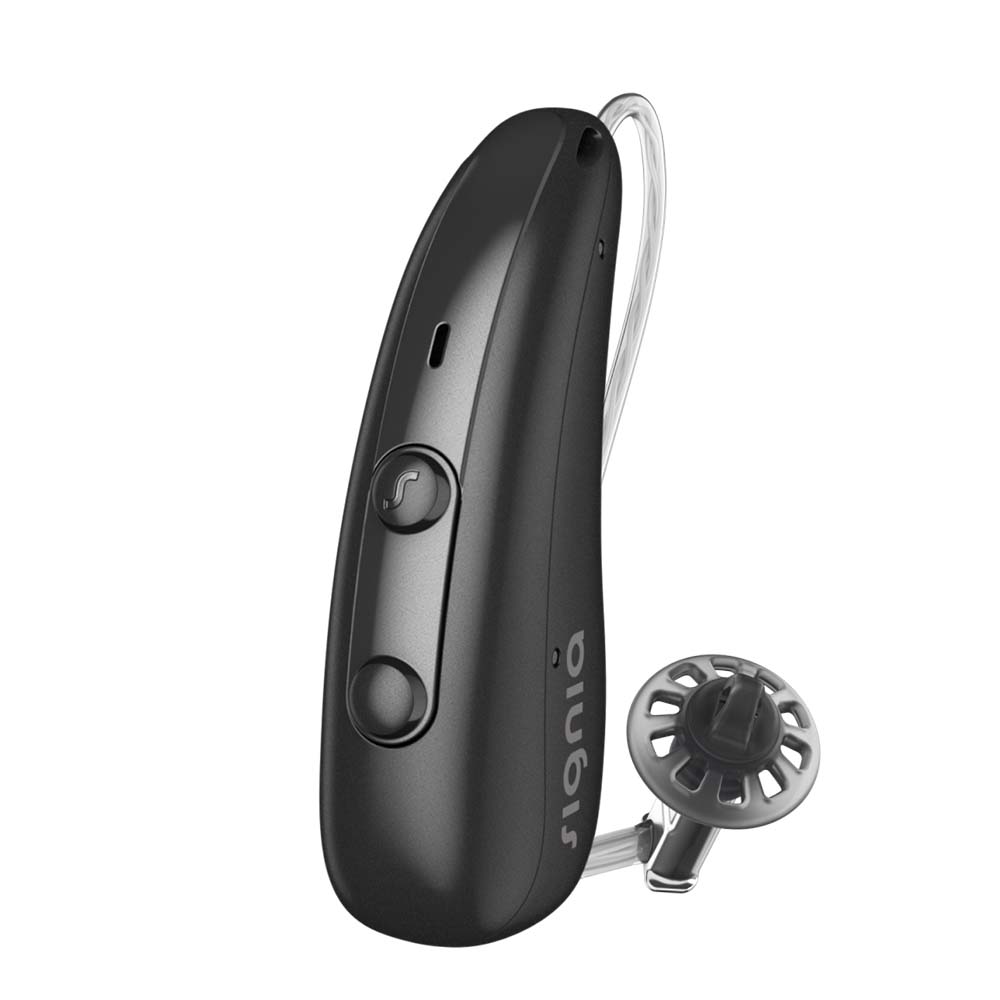
Categories
Health & Wellness Process Improvement

Workflow Optimisation in Healthcare: Redesigning Processes

In the rapidly changing environment of the healthcare sector, the imperative need for process redesign has become a cornerstone for achieving unparalleled workflow efficiency. By thoroughly evaluating and reengineering current operational practices, healthcare organisations can significantly enhance their operational effectiveness, elevate the quality of patient care, and boost overall productivity. This article delves into the essential significance of process redesign within the healthcare framework and outlines the comprehensive steps necessary for its successful implementation.

Recognising the Essential Need for Process Redesign in Healthcare

Healthcare organisations constantly grapple with the dual challenge of providing outstanding patient care while grappling with constrained resources and escalating operational costs. Inefficient processes can critically impede the smooth functioning of operations, resulting in delays, errors, and discontent among both patients and healthcare providers. Process redesign offers a unique opportunity to pinpoint and eliminate bottlenecks, standardise workflows, and incorporate technology to achieve remarkable outcomes.

By thoroughly understanding the urgent necessity for process redesign, healthcare organisations can proactively confront workflow challenges and bolster their operational capabilities. Here are some pivotal considerations in this context:

  1. Identifying Workflow Bottlenecks: Through the lens of process redesign, organisations can identify specific areas where operational bottlenecks occur. This analysis may involve scrutinising patient flow, administrative tasks, or various communication channels. By accurately pinpointing these bottlenecks, organisations can devise targeted strategies to overcome them, thereby significantly enhancing overall workflow efficiency and effectiveness.

  2. Standardising Workflows: The process of redesign empowers healthcare organisations to standardise their workflows, guaranteeing that consistent and efficient practices are maintained across various departments and facilities. Such standardisation eliminates inconsistencies, minimises the risk of errors, and ultimately enhances the overall quality of care delivered to patients.

  3. Leveraging Technology: Technology plays a pivotal role in the redesign process. By adopting and integrating innovative solutions such as electronic health records (EHRs), telemedicine platforms, and workflow automation systems, healthcare organisations can considerably streamline their processes, minimise manual errors, and enhance communication and collaboration among all stakeholders involved.

  4. Enhancing Patient-Centricity: Process redesign provides a valuable opportunity for healthcare organisations to prioritise a patient-centric approach to care. By optimising workflows, organisations can effectively reduce waiting times, improve communication with patients, and diminish errors in diagnosis and treatment. This focus on the patient experience fosters positive interactions and significantly enhances overall patient satisfaction.

Exploring the Key Benefits of Process Redesign in Healthcare

A futuristic healthcare setting with doctors and nurses using advanced technology for efficient workflows and enhanced patient care.

The implementation of process redesign brings forth numerous advantages for healthcare organisations striving to enhance their workflows. These benefits encompass:

  1. Enhanced Patient Experience: By optimising workflows, healthcare organisations can guarantee a seamless and patient-centric experience. This involves efforts to reduce waiting times, improve communication, and minimise diagnostic and treatment errors. A positive patient experience not only elevates patient satisfaction but also significantly contributes to improved health outcomes.

  2. Improved Operational Efficiency: The process of redesign enables healthcare organisations to identify redundancies, eliminate waste, and establish streamlined workflows. By optimising their processes, organisations can achieve shorter turnaround times, reduced costs, and better resource utilisation. This strategic approach leads to enhanced operational efficiency and improved overall financial performance.

  3. Better Compliance and Regulatory Adherence: Through effective process redesign, healthcare organisations can revise their workflows to align with evolving regulatory requirements. This ensures compliance, mitigates risks, and bolsters patient safety. By integrating regulatory standards into redesigned processes, organisations proactively address compliance challenges.

  4. Increased Staff Satisfaction: Streamlined processes and a reduction in administrative burdens empower healthcare professionals to dedicate more time to patient care, resulting in greater job satisfaction and decreased burnout. By eliminating unnecessary tasks and optimising workflows, organisations cultivate a work environment that promotes staff well-being and engagement.

  5. Data-Driven Decision Making: Process redesign necessitates thorough analysis of data related to workflow performance, identifying areas ripe for improvement, and implementing evidence-based changes. This data-centric approach facilitates informed decision-making and continuous enhancement. By utilising data analytics, organisations can identify trends, monitor performance metrics, and make well-informed decisions to further optimise workflows.

Incorporating these advantages into a comprehensive process redesign strategy can substantially elevate the overall efficiency and effectiveness of healthcare organisations.

Essential Steps for Successfully Executing Process Redesign

To effectively implement process redesign, healthcare organisations should adopt a systematic approach. The following steps outline the critical components of a successful process redesign initiative:

  1. Identify Process Improvement Opportunities: Begin by mapping out existing workflows and pinpointing areas that require enhancement. This may include analysing patient flow, administrative tasks, or various communication channels. Through comprehensive analysis, organisations can discern specific processes that necessitate redesign, ensuring targeted and effective improvements.

  2. Set Clear Objectives and Metrics: Establish clear objectives and metrics that align with the organisation’s broader strategy. This could involve goals such as reducing wait times, improving patient satisfaction scores, or increasing patient throughput. Clear objectives and measurable metrics provide a solid framework for assessing the success of the process redesign initiative.

  3. Engage Stakeholders: To ensure successful process redesign, it is imperative to involve key stakeholders such as healthcare professionals, administrators, and IT personnel. Their insights and expertise can provide invaluable input throughout the redesign process. By engaging stakeholders from various departments, organisations can ensure a comprehensive and collaborative approach to process improvement.

  4. Analyse and Redesign Processes: Utilising data-driven analysis, identify bottlenecks, inefficiencies, and potential areas for enhancement. Redesign processes by incorporating best practices, standardising workflows, and leveraging innovative technology solutions. This may entail reconfiguring task sequences, implementing automation tools, or redesigning communication protocols to significantly boost operational efficiency.

  5. Implement and Monitor Changes: Once the redesigned processes are finalised, implement them progressively while closely monitoring their impact on key performance metrics. This allows for timely adjustments and ensures that any unforeseen consequences are addressed promptly. Regularly track the performance of the redesigned processes, gather feedback from stakeholders, and make necessary modifications to further optimise workflows.

  6. Provide Training and Support: Ensure that all staff members receive training on the new processes, supplemented by ongoing support. This facilitates a smooth transition and guarantees that everyone comprehends their roles and responsibilities within the new framework. Tailor training programmes to meet the specific needs of each department, addressing resistance to change and promoting the adoption of redesigned processes.

  7. Continuously Review and Improve: Recognise that process redesign is an ongoing endeavour. Regularly review the redesigned processes, solicit feedback from stakeholders, and implement necessary adjustments to further enhance workflow. By fostering a culture of continuous improvement, organisations can adapt to changing needs and consistently elevate their workflows.

By following these essential steps, healthcare organisations can effectively implement process redesign initiatives and achieve substantial enhancements in their workflows and overall performance.

Showcasing Exemplary Cases of Successful Process Redesign in Healthcare

To illustrate the profound impact of process redesign within the healthcare sector, here are several successful implementations that demonstrate its effectiveness:

  1. Appointment Scheduling: By incorporating online scheduling systems and automating appointment reminders, healthcare organisations can streamline the scheduling process, reduce no-show rates, and significantly enhance patient satisfaction. This technology-driven strategy simplifies the scheduling experience for both patients and healthcare providers, ensuring efficient utilisation of available resources.

  2. Medication Management: By utilising electronic prescribing systems and barcode medication administration, healthcare organisations can drastically reduce medication errors, improve patient safety, and enhance medication reconciliation processes. The integration of automation and technology solutions minimises the risk of human errors, ensuring accurate medication administration and leading to improved patient outcomes.

  3. Patient Discharge: By implementing standardised discharge processes, providing clear instructions, and utilising patient education materials, healthcare organisations can improve transitions from hospital to home, thereby reducing readmission rates and enhancing patient outcomes. Standardised processes ensure consistent and effective discharge practices, minimising confusion and fostering adherence to post-discharge care plans.

  4. Supply Chain Management: By optimising supply chain processes, healthcare organisations can ensure the timely availability of medical supplies, reduce inventory costs, and minimise wastage. Streamlining the supply chain enhances operational efficiency, reduces stockouts, and guarantees that healthcare providers have the necessary resources to deliver high-quality care.

These examples highlight how process redesign can effectively address specific challenges within healthcare, yielding significant improvements in patient care, operational efficiency, and cost-effectiveness.

Harnessing Process Redesign for an Enhanced Healthcare System

A modern healthcare facility showcasing streamlined workflows and advanced technology, focused on efficient, patient-centered care.

Process redesign represents a powerful strategy that healthcare organisations can leverage to optimise workflows and enhance overall efficiency. By identifying and eliminating bottlenecks, standardising workflows, and leveraging advanced technology, organisations can significantly enhance patient care, boost operational efficiency, and achieve superior outcomes. Through a systematic approach and a commitment to continuous improvement, process redesign can pave the way for a more effective and patient-centred healthcare system. By embracing process redesign, healthcare organisations can adeptly navigate the evolving landscape of healthcare delivery and provide high-quality care in a cost-effective manner.

1. What is the significance of process redesign in healthcare?

The significance of process redesign in healthcare lies in its ability to achieve workflow optimisation. It empowers healthcare organisations to streamline operations, enhance patient care, and improve overall efficiency by reassessing and reengineering existing processes.

2. How does process redesign benefit healthcare organisations?

Process redesign confers numerous advantages to healthcare organisations, such as enhanced patient experience, improved operational efficiency, better compliance with regulatory guidelines, increased staff satisfaction, and informed data-driven decision making.

3. What are the steps involved in implementing effective process redesign?

To effectively implement process redesign, healthcare organisations must adopt a systematic approach that includes identifying opportunities for process improvement, establishing clear objectives and metrics, engaging stakeholders, analysing and redesigning processes, implementing and monitoring changes, providing training and support, and continuously reviewing and improving.

4. Can you provide examples of successful process redesign in healthcare?

Absolutely, examples of successful process redesign in healthcare include advancements in appointment scheduling, enhancements in medication management, improved patient discharge processes, and optimised supply chain management. These implementations have led to streamlined processes, better patient outcomes, and heightened operational efficiency.

Originally posted 2023-04-16 02:18:12.

The post Workflow Optimisation: Insights on Redesigning Healthcare Processes appeared first on Healthcare Marketing Service.

Categories
Digital Innovation Health & Wellness

Healthcare Digital Twins Revolutionising Innovation in the UK

Transforming the UK Healthcare Landscape with Digital Twin Technology

Digital twins are fundamentally reshaping the UK’s healthcare sector, unlocking extraordinary potential to enhance patient outcomes while increasing operational efficiency. This pioneering technology enables the creation of virtual replicas that represent both patients and healthcare systems, allowing for in-depth analysis and manipulation that supports improved decision-making and streamlined workflows. With the NHS leading the charge in this digital transformation, the advantages of utilising digital twins in healthcare are becoming increasingly evident, signalling a substantial shift in the delivery of healthcare services across the nation.

Transforming Patient Care with the Power of Digital Twin Technology

A futuristic hospital room with a holographic patient model, doctors analyzing data on screens.

Integrating digital twins into patient care is set to be remarkably transformative. By crafting personalised models that accurately depict a patient’s unique physiological traits and medical history, healthcare professionals can tailor treatment plans meticulously to individual needs. Achieving this level of personalisation involves extensive real-time data analysis that considers various factors such as genetics, lifestyle choices, and any pre-existing health conditions. As a result, healthcare providers can adopt a more precise approach to treatment, significantly enhancing patient outcomes and overall satisfaction levels.

Recent studies underscore the effectiveness of personalised treatment plans derived from digital twin technology. For instance, a study conducted at a leading London hospital revealed that patients suffering from chronic heart conditions showed remarkable improvements when their care was managed through digital twin models. These virtual simulations empowered clinicians to anticipate how patients would respond to different interventions, ultimately leading to healthier outcomes. This data-driven approach not only elevates the quality of care but also strengthens the relationship between patients and clinicians, as patients feel more engaged and informed throughout their treatment journeys.

Furthermore, digital twins are instrumental in enabling proactive healthcare interventions. By continuously monitoring a patient’s health through their digital twin, healthcare providers can identify potential issues before they develop into serious complications. This proactive approach facilitates timely interventions, significantly reducing hospital admissions and alleviating pressure on the NHS. Such advancements are particularly critical given the escalating demand for healthcare services, ensuring that the system can consistently deliver high-quality care to every patient.

Enhancing Healthcare Operations Through Digital Twin Innovations

Optimising hospital workflows represents another substantial benefit of utilising digital twins in healthcare. By simulating patient flows and interactions within healthcare facilities, digital twins can pinpoint bottlenecks and inefficiencies in real time. This invaluable insight empowers hospital administrators to implement changes that enhance resource allocation and minimise patient wait times, ultimately boosting the overall efficiency of healthcare delivery.

Consider the implementation of digital twin technology at a prominent NHS hospital in Manchester. The facility developed a digital twin of its emergency department, enabling staff to visualise patient journeys and identify critical areas for improvement. By analysing the flow of patients from their arrival through treatment, the hospital successfully reduced waiting times and significantly enhanced the overall patient experience. This level of insight not only benefits patients but also alleviates pressure on healthcare professionals, allowing them to concentrate on delivering high-quality care.

Moreover, the capability to model various scenarios using digital twins equips hospital managers with essential tools for informed decision-making. For instance, if a hospital anticipates a surge in patients during flu season, it can utilise its digital twin to simulate different staffing and resource allocation strategies, identifying the most effective methods. This foresight and readiness for potential challenges are invaluable in the dynamic healthcare landscape, enabling providers to adapt swiftly and efficiently.

Ensuring Reliable Medical Equipment with Predictive Maintenance Strategies

Digital twins also play a crucial role in the predictive maintenance of medical equipment, ensuring reliability and minimising downtime. By modelling the operational performance of devices such as MRI machines or ventilators, healthcare providers can monitor their functionality in real time. This proactive maintenance strategy allows for early identification of potential failures, enabling timely scheduling of repairs at convenient times, thus preventing disruptions in patient care.

For instance, a recent initiative at a hospital in London effectively utilised digital twins to monitor the performance of its imaging equipment. By analysing usage patterns and wear-and-tear data, the hospital could anticipate when machines would require maintenance, therefore reducing the likelihood of unexpected breakdowns. This proactive approach not only decreases costs associated with emergency repairs but also guarantees that critical medical equipment is available when needed, ultimately enhancing patient care and safety.

Moreover, as the healthcare sector increasingly relies on technology, the significance of maintaining medical equipment cannot be overstated. Digital twins facilitate a data-driven approach to equipment management, allowing hospitals to extend the lifespan of their assets and improve their return on investment. As the NHS continues to embrace these technological advancements, integrating digital twins into equipment maintenance strategies will likely become standard practice throughout the country.

Government Initiatives and Policies Driving Digital Twin Adoption in the UK

A futuristic UK hospital lobby displaying digital twin technology, supported by government-funded NHS initiatives for healthcare innovation.

The UK government acknowledges the transformative potential of digital twins in healthcare and is actively investing in initiatives to bolster this technological evolution. From strategic plans within the NHS to funding opportunities for innovative projects, the government plays a pivotal role in facilitating the widespread adoption of digital twin technology across the healthcare sector.

Implementing a Comprehensive NHS Digital Transformation Strategy for Enhanced Healthcare

The NHS Digital Transformation Strategy represents a holistic plan aimed at harnessing the power of digital technologies, including utilising digital twins in healthcare, to elevate healthcare delivery across the UK. This strategy encompasses various initiatives designed to improve patient care, streamline operations, and enhance the overall efficiency of NHS services.

At the core of this strategy is a commitment to integrating data-driven decision-making into daily healthcare practices. Digital twins are considered essential for achieving this goal, as they provide healthcare professionals with the insights necessary to make informed decisions regarding patient treatment and resource management. By adopting digital twin technology, the NHS aspires to enhance patient experiences, reduce administrative burdens, and foster a more agile healthcare system.

Evidence of this strategy’s implementation is visible in numerous projects nationwide. For example, several NHS trusts are piloting digital twin programmes focused on optimising surgical planning and enhancing post-operative care. These initiatives reflect the NHS’s commitment to leveraging advanced technologies to meet patients’ evolving needs and improve the overall effectiveness of healthcare services.

Funding and Support Programmes for Digital Health Innovations in the UK

To further promote the adoption of digital twins in healthcare, the UK government has introduced various funding initiatives aimed at supporting the development and implementation of digital health technologies. These financial opportunities are designed to encourage innovative solutions that utilise digital twins to enhance patient outcomes and streamline healthcare operations.

One notable programme is the NHS Innovation Accelerator, which provides financial backing to healthcare organisations exhibiting the potential to effectively implement digital twin technologies. By offering grants and resources, the government aims to cultivate a culture of innovation and collaboration within the healthcare sector, driving the successful integration of digital twins into routine practices.

Additionally, partnerships with technology firms and academic institutions are actively encouraged to bolster research and development efforts focused on digital twins in healthcare. This collaborative approach ensures that diverse expertise is harnessed, paving the way for groundbreaking advancements in patient care and operational efficiency.

Establishing a Strong Regulatory Framework for the Ethical Use of Digital Twins in Healthcare

A futuristic UK government office with holographic patient digital twins, overseen by regulators ensuring GDPR compliance.

As the adoption of digital twins in healthcare expands, establishing a robust regulatory framework is crucial for ensuring their safe and ethical utilisation. The UK government has implemented measures to address concerns surrounding data privacy, security, and the ethical implications of employing digital twins in clinical settings.

The General Data Protection Regulation (GDPR) serves as a foundational element of this regulatory framework, ensuring that patient data used in digital twin models is managed securely and ethically. By adhering to these regulations, healthcare providers can confidently leverage digital twin technology while safeguarding patient privacy and maintaining compliance with established standards.

Moreover, the Medicines and Healthcare products Regulatory Agency (MHRA) is actively developing guidelines for the application of digital health technologies, including digital twins, in clinical practice. This regulatory oversight is vital in promoting safe and responsible innovation in healthcare, ensuring that digital twin applications meet the necessary standards of quality and efficacy.

Fostering Collaboration Between Industry and Academia to Drive Digital Twin Advancements

The UK government is committed to promoting collaboration between healthcare providers, technology firms, and academic institutions to drive advancements in digital twin technology. By facilitating partnerships, the government aims to create an ecosystem that supports research, development, and implementation of innovative solutions capable of significantly enhancing healthcare delivery.

For example, collaborative projects involving universities and NHS trusts are already underway, focusing on the integration of digital twins into various aspects of patient care. These partnerships leverage academic research and industry expertise to develop practical solutions that address real-world healthcare challenges, ultimately benefiting both patients and healthcare providers.

The establishment of innovation hubs, such as the Digital Health and Care Institute in Scotland, exemplifies the UK’s commitment to nurturing a collaborative environment for digital health advancements. These hubs serve as platforms for knowledge sharing, research collaboration, and the development of pilot projects, accelerating the adoption of transformative technologies like digital twins throughout the healthcare system.

Exploring Successful Case Studies of Digital Twins in UK Hospitals

Numerous hospitals in the UK have started implementing digital twin technology in innovative ways, demonstrating its potential to revolutionise healthcare delivery. These case studies highlight the effectiveness of utilising digital twins in healthcare for enhancing patient care, optimising operations, and improving health outcomes.

Royal London Hospital’s Groundbreaking Digital Twin Project

At the Royal London Hospital, the adoption of digital twin technology has significantly improved the efficiency of the emergency department. By constructing a digital twin of patient flows, hospital administrators can simulate and analyse how patients navigate the facility, identifying areas of congestion and opportunities for improvement.

The digital twin initiative has empowered staff to visualise patient journeys, leading to more informed decision-making regarding resource allocation and staffing levels. For instance, by analysing peak admission times and the typical duration of patient stays, the hospital has successfully optimised staffing levels, ensuring that adequate support is available during busy periods.

As a result of these enhancements, the Royal London Hospital has reported substantial reductions in waiting times, leading to an improved overall patient experience. This innovative approach not only streamlines operations but also enhances patient outcomes, showcasing the tangible benefits of integrating digital twins into healthcare practices.

Manchester University NHS Foundation Trust’s Effective Utilisation of Digital Twins

The Manchester University NHS Foundation Trust has effectively leveraged digital twin technology to enhance surgical planning and improve patient outcomes. By creating digital replicas of patients, surgeons can better simulate potential surgical scenarios, enabling more precise planning and execution of complex procedures.

This innovative method has proven particularly beneficial in orthopaedic surgery, where understanding a patient’s unique anatomy is crucial for achieving successful outcomes. By employing digital twins, surgeons can visualise the surgical site in intricate detail, allowing them to anticipate challenges and tailor their surgical approach accordingly.

Moreover, integrating digital twins into surgical planning has led to shorter recovery times for patients. By ensuring that surgeries are meticulously planned and executed with precision, the Manchester University NHS Foundation Trust has observed a reduction in post-operative complications, further demonstrating the positive impact of utilising digital twins in healthcare.

Imperial College Healthcare NHS Trust’s Strategy for Operational Optimisation

Imperial College Healthcare NHS Trust has proactively sought to optimise hospital operations through the use of digital twins. By modelling patient journeys from admission to discharge, the trust has gained invaluable insights into the factors influencing patient flow and resource utilisation.

This data-driven strategy has enabled the trust to identify inefficiencies and implement changes that enhance the overall patient experience. For example, by analysing patient pathways, the trust has successfully streamlined processes, reducing unnecessary delays and improving communication between various departments.

The successful incorporation of digital twins into operational strategies has resulted in heightened patient satisfaction and improved healthcare delivery. As the NHS continues to embrace digital innovation, the experience of Imperial College Healthcare NHS Trust serves as a compelling example of how utilising digital twins in healthcare can lead to significant advancements in patient care and operational efficiency.

Strengthening Collaboration Between UK Universities and Healthcare Providers

Collaboration between universities and healthcare providers in the UK is essential for advancing the implementation of digital twin technology. Through these partnerships, innovative research and practical applications are driving improvements in patient care and operational efficiency.

The University of Oxford’s Leading Research in Digital Twin Technology

The University of Oxford is at the forefront of digital twin research, collaborating with healthcare providers to develop models that facilitate personalised medicine. By leveraging advanced data analytics and machine learning techniques, researchers are crafting digital twins that accurately represent individual patients’ health profiles.

These digital replicas inform treatment decisions, allowing healthcare professionals to tailor interventions based on a patient’s unique needs. For example, in oncology, digital twins can simulate how a patient might respond to specific treatments, enabling oncologists to select the most effective therapies based on individual responses.

This collaboration harbours the potential to revolutionise personalised medicine in the UK, shifting from a one-size-fits-all approach to a more nuanced understanding of patient care. By integrating insights from academic research with practical applications in clinical settings, the University of Oxford is paving the way for groundbreaking advancements in healthcare delivery.

King’s College London’s Innovations in Mental Health Services Through Digital Twins

King’s College London is actively pursuing digital twin applications aimed at enhancing mental health services. By creating digital models that represent patients’ mental health trajectories, researchers can gain deeper insights into the factors influencing mental well-being.

The digital twin approach allows for the analysis of various treatment modalities and their effectiveness across different patient profiles. This granularity empowers mental health professionals to develop tailored interventions that address the specific needs of individuals, ultimately resulting in better treatment outcomes and improved patient satisfaction.

Additionally, King’s College London collaborates with local healthcare providers to integrate these innovations into clinical practice. By bridging the gap between academia and healthcare, the institution ensures that cutting-edge research translates into meaningful improvements in mental health services across the UK.

Imperial College London’s Groundbreaking Digital Health Projects

Imperial College London is spearheading advancements in digital twin technology within the healthcare sector through partnerships with NHS trusts. These collaborations focus on developing innovative solutions that leverage digital twins to enhance patient care and operational efficiency.

One notable project involves creating digital twins of healthcare facilities, enabling administrators to simulate patient flows and resource utilisation. This modelling empowers hospitals to make data-driven decisions that optimise processes and significantly improve patient experiences.

Moreover, Imperial College London is also exploring the integration of digital twin technology into chronic disease management. By modelling patient health trajectories, researchers can identify potential complications and intervene proactively. This approach has the potential to enhance care for patients with long-term conditions, ultimately improving their quality of life and health outcomes.

Through these collaborations, Imperial College London is demonstrating the power of utilising digital twins in healthcare to drive meaningful advancements in the healthcare landscape, ensuring that the UK remains at the forefront of digital health innovation.

Addressing Challenges and Embracing Opportunities in the Adoption of Digital Twins in the UK

While the advantages of adopting digital twin technology in healthcare are considerable, several challenges must be navigated. Understanding these challenges, alongside the corresponding opportunities they present, can inform strategies for successful implementation across the UK.

How Can Data Privacy and Security Be Prioritised in Digital Twin Adoption?

As digital twins rely heavily on patient data, ensuring the privacy and security of this information is of utmost importance. Concerns regarding data breaches and the ethical implications of utilising sensitive health information must be thoroughly addressed to foster trust in digital twin technology.

The UK’s regulatory framework, including the General Data Protection Regulation (GDPR), provides a robust foundation for protecting patient data. However, healthcare providers must extend beyond mere compliance to ensure that data is managed responsibly. This approach involves investing in strong cybersecurity measures and training staff to understand the risks associated with data breaches.

Furthermore, as digital twin technology evolves, so too will the challenges surrounding data privacy. Healthcare organisations must remain vigilant and adapt their practices to keep pace with advancements in technology, ensuring that patient data is consistently safeguarded.

Embracing these challenges provides an opportunity for healthcare providers to demonstrate their commitment to data security and patient privacy, ultimately fostering trust and encouraging the adoption of digital twin technology.

What Steps Can Be Taken to Overcome Integration Challenges with Existing Healthcare Systems?

Integrating digital twins with existing healthcare systems presents technical challenges, particularly in legacy environments that may lack the infrastructure necessary to support advanced digital technologies. However, addressing these integration challenges can unlock significant opportunities for innovation.

Healthcare organisations can adopt a phased approach to integration, beginning with pilot projects focused on specific areas or departments. By showcasing the value of digital twin technology in these pilot initiatives, organisations can build a compelling case for broader adoption and investment.

Moreover, the integration process allows for a thorough evaluation of existing systems, identifying areas for improvement and optimisation. This iterative approach not only enhances the integration of digital twins but also presents healthcare providers with an opportunity to modernise their overall technology infrastructure.

Navigating the challenges of integration presents a pathway for healthcare organisations to enhance operational efficiency and improve patient care through the effective utilisation of digital twin technology.

How Can Training and Skills for Healthcare Professionals Be Developed?

Equipping healthcare professionals with the necessary skills to effectively utilise digital twin technology is vital for successful adoption. The complexity of digital twins necessitates a skilled workforce capable of interpreting data and translating insights into actionable interventions.

To address this challenge, healthcare organisations must prioritise ongoing education and training programmes for their staff. This could involve partnerships with educational institutions and technology providers to develop specialised training modules focused on digital twin applications in clinical settings.

Furthermore, cultivating a culture of innovation within healthcare organisations can inspire staff to embrace new technologies. By creating environments that celebrate continuous learning and experimentation, healthcare providers can empower their workforce to leverage digital twins effectively.

Investing in training and skill development not only enhances the implementation of digital twin technology but also positions healthcare organisations to respond proactively to future advancements in digital health.

Exploring the Future Prospects of Digital Twins in UK Healthcare

The future of digital twins in UK healthcare is bright, with numerous opportunities for expansion and innovation. As the technology continues to advance, its integration into various facets of healthcare delivery is poised to transform patient outcomes and operational efficiencies.

How Will Digital Twins Revolutionise Primary Care?

Digital twins have the potential to transform primary care by enabling more effective chronic disease management. By creating digital models of patients with long-term conditions, healthcare providers can monitor health trends and respond proactively to changes in a patient’s condition.

This shift towards a more personalised approach in primary care can lead to significant enhancements in patient outcomes. For instance, by leveraging digital twins, general practitioners can tailor management strategies for patients with diabetes, ensuring that interventions align with individual health profiles.

Moreover, the ability to simulate interventions and predict patient responses can significantly enhance the quality of care in primary settings. As digital twin technology becomes increasingly integrated into primary care, healthcare providers can expect to see reductions in hospital admissions and an overall improvement in population health outcomes.

Pioneering Personalised Medicine and Treatment Plans through Digital Twins

The widespread implementation of digital twins in healthcare could signal a new era of personalised medicine and treatment plans across the UK. By harnessing individual patient data and digital twin models, clinicians can formulate targeted treatment strategies that consider the unique characteristics of each patient.

This approach holds substantial implications across various medical fields, including oncology, cardiology, and neurology. By simulating the effects of different therapies on a patient’s digital twin, healthcare professionals can make informed decisions regarding the most suitable treatment options, ultimately enhancing patient outcomes and satisfaction.

As personalised medicine continues to gain traction, the integration of digital twins will be crucial in refining treatment approaches and ensuring that patients receive the best possible care tailored to their specific needs.

Enhancing Public Health Monitoring with Digital Twins

Digital twins could play a pivotal role in monitoring and managing public health crises in the UK. By creating models that simulate population health trends, public health officials can gain valuable insights into disease spread and the effectiveness of various interventions.

For instance, during outbreaks of infectious diseases, digital twins can be utilised to predict how a virus may propagate within communities and evaluate the impact of public health measures. This data-driven approach facilitates more effective resource allocation and targeted interventions, ultimately safeguarding public health and enhancing community resilience.

Furthermore, the integration of digital twins into public health strategies can enhance preparedness for future health crises, ensuring that healthcare systems are better equipped to respond to emerging challenges and protect the population’s health.

Integrating Digital Twins with Electronic Health Records for Improved Patient Outcomes

Digital twins could significantly enhance the functionality of electronic health records (EHRs) in the UK, improving data integration and patient outcomes. By linking digital twins with EHR systems, healthcare providers can create comprehensive profiles that reflect both clinical data and real-time health information.

This integration enables a holistic view of a patient’s health, allowing clinicians to make informed decisions based on the most current data available. For example, by accessing a patient’s digital twin alongside their EHR, healthcare professionals can gain insights into how lifestyle factors impact their health and adjust treatment plans accordingly.

As the healthcare system continues to digitise, the potential for digital twins to enhance EHR functionality represents a significant opportunity for improving patient care and operational efficiency across the board.

Frequently Asked Questions about Digital Twins in Healthcare

What are healthcare digital twins?

Healthcare digital twins are virtual replicas of patients or healthcare systems that simulate and analyse health outcomes and operational efficiency, providing valuable insights for decision-making.

How do digital twins improve patient care?

Digital twins enhance patient care by enabling personalised treatment plans based on real-time data analysis, resulting in better health outcomes and increased patient engagement.

What role does the UK government play in adopting digital twins?

The UK government facilitates the adoption of digital twins through funding initiatives, regulatory frameworks, and partnerships with industry and academia to promote innovation in healthcare.

Can digital twins assist with hospital operations?

Yes, digital twins can optimise hospital workflows by identifying bottlenecks and improving resource allocation, leading to reduced wait times and enhanced patient experiences.

What challenges are associated with adopting digital twins in healthcare?

Challenges include concerns regarding data privacy, integration with existing systems, and the necessity for training healthcare staff on new technologies to ensure effective utilisation.

How might digital twins transform primary care?

Digital twins can enhance chronic disease management in primary care by enabling more personalised monitoring and intervention strategies tailored to individual patients’ needs and health profiles.

Are there successful case studies of digital twins in UK hospitals?

Yes, hospitals such as the Royal London Hospital and Manchester University NHS Foundation Trust have successfully implemented digital twins to improve patient flow and surgical planning, showcasing their effectiveness.

What is the future outlook for digital twins in UK healthcare?

The future of digital twins in UK healthcare appears promising, with potential for expansion into primary care, personalised medicine, enhanced public health monitoring, and improved integration with electronic health records.

How do digital twins ensure data privacy?

Digital twins comply with regulations such as GDPR, ensuring that patient data is securely and ethically managed to protect privacy and maintain trust in the technology.

What skills are necessary for healthcare professionals to effectively work with digital twins?

Healthcare professionals require skills in data analysis, familiarity with technology, and an understanding of how to interpret and apply insights from digital twins in clinical practice to improve patient care.

Originally posted 2025-04-22 18:25:00.

The post Healthcare Digital Twins Transforming Innovation in the UK appeared first on Healthcare Marketing Service.