Categories
Health & Wellness Hearing Health

Earwax Blockage: Understanding Its Effects on Hearing

Understanding the Vital Functions and Significance of Earwax for Auditory Wellness

What is Earwax? Discovering Nature’s Shield for Ear Health

Cross-section of human ear canal with yellowish earwax from glands, protecting and lubricating.

Earwax, scientifically known as cerumen, is a natural secretion produced by glands within the ear canal. This yellowish, waxy substance is crucial for maintaining ear health as it consists of secretions from sebaceous and ceruminous glands, which combine fatty acids, alcohols, and various organic compounds. Earwax acts as a protective barrier against dust, dirt, and foreign particles, while also lubricating the ear canal to prevent dryness and irritation. Throughout different cultures, earwax is often seen with a mix of curiosity and concern, prompting individuals to seek removal methods. However, it is essential to acknowledge that earwax plays critical protective roles vital for sustaining <a href="https://healthcaremarketingservice.com/ear-health-the-emerging-trend-everyone-should-embrace/">auditory health</a> and overall well-being.

Exploring the Multifaceted Functions of Earwax in Ear Protection

The predominant function of earwax is to serve as a natural barrier against external elements that could potentially harm the ear. As sound waves travel into the ear, earwax effectively traps dust, hair, and other foreign particles, preventing them from reaching the sensitive eardrum. This innate filtering mechanism significantly reduces the risk of infections and other auditory complications. In addition to its physical barrier properties, earwax exhibits inherent antimicrobial qualities that inhibit bacterial and fungal growth within the ear canal. This feature is especially vital in warmer climates, where humid conditions can lead to increased microbial proliferation. Thus, earwax is not merely an inconvenience; it is a fundamental component of ear health that enhances our rich auditory experiences across diverse environments.

The Essential Cycle of Earwax Production and Its Significance

The human body possesses an impressive ability to maintain balance, including the natural production and expulsion of earwax. Under typical circumstances, the ear generates an adequate amount of wax to keep the ear canal clean and protected. The movement of the jaw during activities like chewing and speaking naturally aids in pushing old earwax out, ensuring it does not accumulate excessively. This self-cleaning mechanism is essential for preserving healthy hearing. However, factors such as hormonal changes, the aging process, and genetic predispositions can influence earwax production. For instance, older individuals may produce drier wax, increasing the risk of blockages. By understanding this natural cycle, individuals can take proactive measures to maintain their ear health, whether residing in urban settings or rural areas.

Examining the Varieties of Earwax and Their Implications for Ear Health

Wet earwax on left, brown-yellow, sticky; dry earwax on right, gray, crumbly, showing genetic diversity.

Earwax can be categorised into two main types: wet and dry, with genetic factors and geographic distribution contributing to these variations. Wet earwax, more frequent in populations of African and European descent, typically has a sticky texture and appears brown or yellow. Conversely, dry earwax, commonly found among East Asian populations, is usually grey and flaky. This diversity stems from specific genetic markers that affect earwax composition. Recognising these differences is essential not only for personal care but also for grasping cultural attitudes toward earwax management. For instance, certain cultures view earwax as a source of embarrassment, leading to a rise in products designed for its removal. Embracing these natural variations can foster a more informed global perspective on ear health and hygiene practices.

Recognising and Understanding Earwax Blockage

Understanding the Causes Behind Earwax Accumulation and Blockage

Excessive earwax production can lead to blockages that impede hearing and cause discomfort. Various elements contribute to this accumulation, including anatomical traits like narrow ear canals that can trap wax more easily. The use of hearing aids, earplugs, or even cotton swabs can inadvertently push wax deeper into the ear canal, worsening the issue. Individuals who engage in activities such as swimming may also experience heightened earwax production due to exposure to moisture, triggering a defensive response from the ear. Additionally, lifestyle choices and occupational hazards can influence earwax buildup in different regions, making it crucial for individuals to understand their unique risk factors. By raising awareness about these causes, individuals can significantly reduce the likelihood of experiencing blockages, thereby improving their overall auditory health.

Identifying Symptoms Associated with Earwax Blockage

Ear canal with earwax blockage, person in pain, surrounded by sound waves and noise.

Recognising the symptoms of earwax blockage is essential for promptly addressing potential hearing problems. Common indicators include earache, a sensation of fullness or pressure in the ear, and difficulties in hearing, suggesting that sound waves are being obstructed. Furthermore, tinnitus, characterised by a persistent ringing or buzzing in the ears, may accompany these symptoms, causing distress and anxiety for many individuals. The manifestation of these signs can vary significantly across different populations; for example, those in noisy environments may misinterpret earwax-related symptoms as influenced by external factors. By increasing awareness of these symptoms, individuals can take timely action, seeking assistance before minor discomfort escalates into more significant hearing loss.

Identifying Risk Factors for Earwax Blockage

Certain demographics may be more susceptible to earwax blockage due to various risk factors. Age is a significant factor, as older adults often produce drier earwax that is more likely to build up. Additionally, individuals with excessive hair in the ear canal or those frequently exposed to irritants may also be at a heightened risk. Improper ear cleaning methods, such as using cotton swabs, can inadvertently push wax deeper and lead to blockages. In cultures where ear cleaning is heavily emphasised, understanding how these techniques can backfire is crucial. By recognising these risk factors, individuals worldwide can adopt healthier ear hygiene practices, significantly decreasing the chances of experiencing hearing impairment.

Proactive Strategies for Preventing Earwax Blockage

Implementing proactive strategies can significantly reduce the risk of earwax blockage. Regular cleaning of the outer ear is essential; however, it is vital to avoid inserting objects, like cotton swabs, deep into the ear canal, as this may push wax further in. Instead, individuals can utilise ear drops or oils specifically formulated to soften earwax, aiding its natural expulsion. Preventive measures may vary by region, influenced by local customs and environmental conditions. For instance, those living in humid climates may need to exercise additional caution due to increased moisture in the ear. By understanding best practices for ear hygiene, individuals can maintain healthy hearing while minimising discomfort associated with earwax blockage.

When to Seek Medical Advice for Earwax Issues

Recognising when to consult a healthcare professional regarding earwax blockage is crucial for effective treatment. If symptoms persist for several days, are accompanied by intense ear pain, or result in noticeable hearing loss, immediate medical consultation is necessary. Regular check-ups are particularly important for individuals at risk, such as the elderly or those with existing hearing impairments. Healthcare providers can conduct gentle examinations to ensure the ear canal remains clear. In regions where access to medical care may be limited, raising awareness about the importance of ear health can lead to better outcomes. Being able to identify the signs that necessitate professional intervention ultimately protects individuals from potential long-term auditory damage.

The Impacts of Earwax Blockage on Hearing and Overall Well-Being

Understanding Conductive Hearing Loss Resulting from Earwax Blockage

One of the most immediate consequences of earwax blockage is conductive hearing loss, a condition wherein sound waves cannot effectively reach the eardrum. When wax builds up in the ear canal, it creates an obstruction that muffles sounds, resulting in a temporary decline in hearing ability. This obstruction can be particularly troubling in noisy environments, where the struggle to hear can lead to frustration and communication problems. For many individuals, especially those in multicultural settings, the inability to hear clearly can adversely affect social interactions and overall quality of life. Understanding the mechanics of how earwax blockage affects hearing fosters greater awareness about the importance of ear care and encourages individuals to pursue solutions before hearing loss becomes permanent.

Effects of Earwax Blockage on Sound Perception and Communication

Blocked earwax can profoundly impact sound perception, making it challenging to comprehend speech or engage in conversations. This difficulty extends beyond a mere auditory inconvenience; it can significantly affect interpersonal relationships and social interactions. In environments where effective communication is essential—such as workplaces, classrooms, and community gatherings—individuals may struggle to participate fully. The global implications of sound perception extend beyond inconvenience; they can lead to feelings of isolation or frustration, particularly in cultures that place a high value on verbal communication. Acknowledging the intricate relationship between earwax blockages and sound perception can empower individuals to make informed choices about their ear care.

The Long-Term Effects of Untreated Earwax Blockage

If chronic earwax blockage remains untreated, it can lead to severe long-term hearing problems and complications. Prolonged obstruction may cause damage to the eardrum, resulting in infections and more permanent auditory impairment. In severe cases, individuals might experience irreversible hearing loss that cannot be remedied through medical intervention. Understanding these long-term consequences underscores the importance of proactive ear care, particularly in regions where healthcare access may be constrained. The narrative surrounding earwax often highlights immediate discomfort; however, recognising potential long-term effects can motivate individuals to prioritise their ear health and seek professional assistance when needed.

Examining the Relationship Between Earwax Blockage and Tinnitus

Chronic earwax blockage can contribute to the onset of tinnitus, a condition characterised by persistent ringing, buzzing, or hissing sounds in the ears. This not only intensifies the discomfort associated with earwax accumulation but can also lead to distress and anxiety for those affected. For many individuals, tinnitus becomes an omnipresent background noise that hampers concentration and disrupts daily life. As populations become increasingly aware of such conditions globally, understanding the connection between earwax and tinnitus is vital. By adopting a holistic approach to ear health, individuals can take proactive measures to minimise their risk of developing this distressing condition.

Impact of Earwax Buildup on Balance and Dizziness

The inner ear is integral to maintaining balance, and earwax buildup can disrupt this system, leading to dizziness and instability. When earwax obstructs the ear canal, it interferes with the proper functioning of the vestibular system, which is essential for equilibrium. This disruption can pose challenges in daily activities, particularly for those engaged in physical pursuits or living in dynamic environments. Individuals may experience episodes of dizziness that hinder their ability to perform routine tasks. Recognising the connection between earwax and balance highlights the importance of actively monitoring ear health, especially in areas with high levels of physical activity or outdoor exploration.

Accurate Diagnosis and Evaluation of Earwax Blockage

Identifying the Problem: Recognising Symptoms of Earwax Blockage

Typically, individuals first notice potential earwax blockage through difficulties in hearing or discomfort in the ear. This realisation often prompts a visit to a healthcare provider for further assessment. Growing awareness of ear health issues worldwide has led to an increase in individuals seeking advice from audiologists and specialists. Many healthcare facilities now offer comprehensive clinics dedicated to ear health, ensuring individuals receive proper evaluations. Clear communication regarding symptoms can assist healthcare professionals in quickly identifying issues, leading to timely interventions and improved outcomes for patients globally.

Conducting a Comprehensive Medical Examination for Earwax Blockage

During a medical examination, healthcare providers use an otoscope to visually inspect the ear canal. This examination is crucial for confirming earwax blockage and assessing the extent of accumulation. For communities with limited access to advanced medical technologies, this simple yet effective tool remains invaluable. The findings from the otoscopic examination guide healthcare providers in determining the most suitable course of action. Moreover, educating patients about the examination process builds trust and understanding, empowering them to take charge of their ear health.

Evaluating Hearing Loss Through Detailed Hearing Tests

Audiometry may be conducted to evaluate the degree of hearing loss attributed to earwax blockage. Hearing assessments vary widely across regions; some healthcare settings employ advanced technologies, while others rely on basic methodologies. These evaluations are essential for establishing a baseline of auditory health and determining necessary treatment plans. Results from these tests not only help identify the degree of impairment but also enable individuals to monitor their hearing health over time. Increasing global awareness of hearing health underscores the significance of regular hearing assessments, particularly for individuals at risk of earwax-related issues.

Reviewing Patient History: A Key Component in Understanding Earwax Blockage

A comprehensive review of the patient’s medical history is essential for diagnosing earwax blockage. Healthcare providers gather detailed information regarding past ear issues, risk factors, and presented symptoms. This thorough approach ensures clinicians can establish a clear connection between the individual’s history and their current ear health. In culturally diverse settings, understanding regional practices regarding ear hygiene can offer valuable context for clinicians. Engaging in open discussions about ear health allows healthcare providers to tailor solutions to individual needs, fostering a collaborative approach to auditory well-being.

Ensuring Accurate Diagnosis Through Differential Diagnosis

Clinicians must consider other potential causes of hearing loss or ear discomfort, such as infections or foreign objects, to ensure accurate diagnosis. The complexity of auditory health necessitates a robust diagnostic process that extends beyond merely identifying earwax blockage. In regions with limited healthcare access, where patients may present late with complications, recognising these alternative causes is vital for providing appropriate care. By emphasising the need for differential diagnosis, healthcare professionals can enhance their diagnostic accuracy and improve patient outcomes on a global scale.

Effective Treatment Solutions for Earwax Blockage

Utilising At-Home Remedies for Minor Earwax Buildup

For individuals dealing with minor earwax buildup, at-home remedies can offer an effective initial solution. Over-the-counter ear drops designed to soften earwax can facilitate the natural expulsion process. These products often contain oils or hydrogen peroxide, which can gently break down the wax. Gentle irrigation kits may also be used, allowing individuals to safely flush out excess earwax. However, it is crucial for users to follow instructions carefully to avoid causing damage to the ear canal. In cultures where self-care is emphasised, understanding the safe use of these remedies can empower individuals to manage their ear health proactively.

Exploring Professional Techniques for Effective Earwax Removal

In cases where home remedies are insufficient, healthcare professionals can employ various techniques to safely remove earwax. Methods such as microsuction, which uses a small vacuum to extract wax, or curettage, involving specialised tools to scoop out the blockage, are commonly used. This professional intervention ensures the ear canal is cleared without causing harm or further complications. In many regions, public health initiatives are working to raise awareness about the significance of professional ear cleaning, ensuring individuals understand their options for effective ear health management.

Implementing Preventive Measures for Long-Term Ear Health

Preventing future earwax blockages is vital for maintaining optimal ear health. Regular cleaning, using soft cloths to wipe the outer ear, is a simple yet effective practice. Moreover, individuals should avoid using cotton swabs, which can push wax deeper into the ear canal. Instead, opting for ear drops or oils designed for ear health can support the body’s natural cleaning mechanism. Cultural attitudes toward ear hygiene can greatly influence practices, highlighting the need for public health campaigns to promote safe and effective ear care methods. By educating individuals on preventive measures, communities can collaboratively reduce the incidence of earwax-related hearing issues.

Navigating Life with Earwax Blockage: Strategies for Improvement

Adapting Daily Life to Address Earwax Blockage Challenges

Adjusting daily routines in response to earwax blockage can be challenging yet necessary for affected individuals. They may need to employ alternative communication strategies or consider using assistive listening devices to improve their auditory experiences during treatment. In multifaceted environments such as classrooms or workplaces, open communication with colleagues about hearing impairments can foster understanding and support. Cultural factors may also influence how individuals adapt to hearing difficulties, as some communities may place a higher value on verbal communication than others. By embracing these adjustments, individuals can navigate their daily lives more effectively while managing earwax-related challenges.

The Importance of Monitoring and Follow-Up for Ear Health Management

Regular monitoring and follow-up appointments with healthcare providers are crucial for effectively managing earwax-related issues. Individuals should schedule routine check-ups, especially if they are prone to blockages. This proactive approach can help detect potential problems early, ensuring appropriate interventions are implemented before severe complications arise. In areas where healthcare access may be limited, raising awareness about the significance of regular ear assessments is vital. A commitment to ongoing ear health fosters a deeper understanding of individual needs, empowering people to take charge of their auditory well-being.

Promoting Education and Awareness Around Earwax Blockage

Education and awareness regarding earwax blockage and its consequences are essential for communities worldwide. Understanding the causes, effects, and management options can empower individuals to prioritise their ear health. Public health campaigns focusing on ear hygiene practices can reach diverse populations, fostering a culture of awareness around auditory health. By sharing information and resources, communities can collaborate to combat the stigma surrounding earwax and promote healthy behaviours. This collective effort will not only improve individual ear health but also contribute to a more informed global perspective on hearing well-being.

Frequently Asked Questions About Earwax Blockage

What are the main factors leading to earwax blockage?

Earwax blockage can arise from excessive earwax production, anatomical variations such as narrow ear canals, improper ear cleaning techniques, and the use of hearing aids or earplugs that inadvertently push wax deeper into the ear canal.

What are effective methods for preventing earwax buildup?

To prevent earwax buildup, it is crucial to regularly clean the outer ear, avoid using cotton swabs, and consider utilizing ear drops or oils specifically designed to soften earwax.

When should I seek medical advice for earwax blockage?

Consult a healthcare professional if you experience persistent symptoms like ear pain, sensations of fullness in the ear, or noticeable hearing loss due to earwax blockage.

What are the common symptoms associated with earwax blockage?

Common symptoms of earwax blockage include earache, a sensation of fullness, tinnitus, and partial hearing loss, indicating that sound waves are obstructed.

Can earwax blockage lead to permanent hearing loss?

Yes, if chronic earwax blockage remains untreated, it can result in severe hearing issues, including permanent hearing loss and potential infections in the ear.

Are there effective at-home remedies for earwax removal?

Indeed, over-the-counter ear drops and gentle irrigation kits can assist in safely softening and removing excess earwax at home.

What professional techniques are available for removing earwax?

Healthcare professionals may utilise microsuction, curettage, or irrigation methods to safely remove earwax blockages.

How can earwax impact balance and contribute to dizziness?

Yes, earwax accumulation can interfere with the function of the inner ear, leading to balance issues and episodes of dizziness due to compromised vestibular responses.

In what ways does earwax affect sound perception?

Blocked earwax can muffle sounds, making it difficult to hear speech and follow conversations, particularly in noisy environments.

Is using cotton swabs safe for ear cleaning?

No, using cotton swabs can push earwax deeper into the canal and potentially cause damage; it is advisable to avoid them and utilise safer cleaning methods instead.

Explore our journey on X!

The post Earwax Blockage and Its Impact on Hearing: A Guide appeared first on The Microsuction Ear Wax Removal Network.

The post Earwax Blockage and Its Impact on Hearing: A Guide appeared first on Healthcare Marketing Service.

Categories
Health & Wellness Hearing Health

Audiologists: Key Players in Selecting Hearing Aids

Last Updated on 20/06/2025 by Admin

Understanding the Essential Importance of Professional Hearing Assessments in Audiology

Conducting Thorough Hearing Evaluations as a Vital First Step

An audiologist performing a hearing evaluation with advanced equipment in a modern clinic.

A comprehensive hearing evaluation is fundamental to the delivery of effective audiology services and essential for harnessing audiologists’ expertise in selecting appropriate hearing aids. This process commences with an extensive patient interview where audiologists gather crucial information about the patient’s medical history, lifestyle habits, and specific hearing challenges they face. Following the collection of this data, audiologists perform a range of diagnostic tests, such as pure-tone audiometry and speech recognition assessments, to accurately assess the severity and nature of the patient’s hearing loss, ensuring that no detail is overlooked.

Thanks to remarkable advancements in technology, audiologists are now equipped with sophisticated diagnostic tools that significantly enhance the accuracy of their evaluations. For example, high-frequency audiometry tests can detect early signs of hearing loss that conventional assessments might miss. The insights gained from these thorough evaluations enable audiologists to develop a tailored treatment plan, ensuring the selected hearing aids effectively cater to each patient’s unique auditory profile and lifestyle needs.

Moreover, initial evaluations also involve addressing the emotional and psychological aspects associated with hearing loss. Many individuals may experience feelings of isolation or frustration due to their hearing challenges, which can adversely affect their mental well-being. By recognising these critical factors, audiologists can adopt a holistic approach, guiding patients not only through the technical aspects of their hearing loss but also supporting them in navigating the emotional adjustments necessary as they acclimatise to their new hearing aids.

Designing Individualised Hearing Profiles for the Most Effective Solutions

Creating tailored hearing profiles is an integral aspect of audiologists’ responsibilities in hearing aid selection. After conducting initial assessments, audiologists carefully analyse the results to formulate a personalised hearing profile that reflects the patient’s unique auditory strengths and challenges. This profile acts as a roadmap, guiding both the audiologist and the patient through the hearing aid selection process, ensuring the devices chosen align with individual requirements and preferences.

The process of customising hearing solutions goes well beyond merely matching device specifications to the patient’s auditory loss. Audiologists take into account a multitude of factors, including the patient’s everyday environment, lifestyle preferences, and personal choices. For instance, a professional who frequently participates in business meetings may need hearing aids that excel in sound clarity amidst noisy settings, while a retiree enjoying family gatherings may prioritise comfort and ease of use as critical features.

Additionally, with the advent of cutting-edge technology, audiologists can develop dynamic hearing profiles that evolve alongside the patients’ changing hearing needs. As patients encounter various listening environments or experience shifts in their hearing abilities, audiologists are able to make timely adjustments to the hearing aids. This adaptability ensures that patients consistently receive optimal auditory experiences throughout their hearing aid journey, highlighting the importance of ongoing collaboration between audiologists and their clients.

Implementing Continuous Monitoring and Adjustments for Long-Term Hearing Success

The journey of selecting hearing aids extends far beyond the initial fitting appointment. Regular follow-up consultations are essential for ensuring that the hearing aids continue to meet the patient’s evolving auditory demands. Ongoing assessments empower audiologists to evaluate the performance of the devices and identify if any modifications are required. This proactive approach is a defining characteristic of audiologists’ roles in hearing aid selection.

During follow-up visits, audiologists often conduct further evaluations to assess how well the hearing aids are functioning. They may ask patients about their experiences, including comfort levels and sound quality in various environments. Should patients report any issues—such as difficulties hearing in noisy settings or discomfort from their devices—audiologists can swiftly adjust device settings or recommend alternative models that better meet their needs.

These follow-up appointments also provide invaluable opportunities for patient education. Audiologists can offer guidance on the maintenance and care of hearing aids, troubleshoot common problems, and address any concerns that may arise. This ongoing support fosters a collaborative relationship, ensuring that patients feel empowered and engaged in their journey towards improved hearing health.

Choosing the Right Hearing Devices to Suit Individual Needs

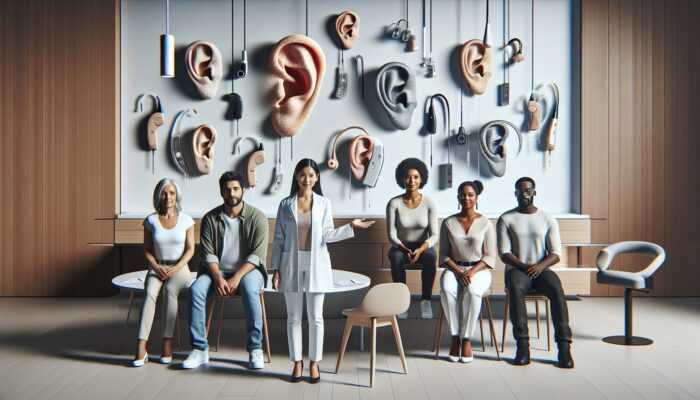
A diverse group consulting an audiologist about tailored hearing devices in a modern clinic.

Investigating the Diverse Range of Hearing Aid Types Available

In the pursuit of finding the ideal hearing aid, audiologists play a crucial role in informing patients about the wide variety of devices available in the marketplace. Each type of hearing aid possesses distinct features, benefits, and potential limitations. For example, certain models may cater to individuals with mild to moderate hearing loss, whereas others are specifically engineered for more severe cases.

Behind the scenes, audiologists evaluate a multitude of factors, including the degree of hearing loss, the physical condition of the ear, and the patient’s lifestyle preferences. For instance, BTE (Behind-The-Ear) aids are celebrated for their durability and extended battery life, making them ideal for active individuals. Conversely, ITE (In-The-Ear) aids provide a more discreet option for those who value aesthetics without compromising sound quality.

Additionally, audiologists remain updated on the latest advancements in hearing aid technology, including features like Bluetooth connectivity, which enables users to sync their devices with smartphones and other gadgets for an enriched auditory experience. This knowledge empowers audiologists to assist patients in navigating their options effectively, ensuring they select a device that not only meets their hearing needs but also aligns with their lifestyle choices.

Aligning Hearing Aid Technology with Lifestyle for Enhanced Auditory Experiences

The selection of hearing aids goes beyond the mere technical specifications; it involves aligning that technology with the patient’s daily life. Audiologists excel at matching devices to individual lifestyles, a critical element of audiologists’ roles in hearing aid selection. Understanding how patients interact with their surroundings can significantly inform the recommendations made regarding the types of hearing aids that would suit them best.

For example, a patient who regularly attends concerts or social events may benefit from hearing aids equipped with advanced noise-cancellation technology. These devices are designed to filter out background noise, enabling users to concentrate on conversations without being overwhelmed by surrounding sounds. In contrast, an individual who leads a quieter lifestyle may prioritise comfort and longevity of battery life over high-tech features.

Audiologists also consider the patient’s daily routines when suggesting additional accessories and devices. For instance, an active person may value accessories designed to resist moisture and dirt, while someone who travels frequently may prefer lightweight and easily storable hearing aids. By taking into account the patient’s overall lifestyle, audiologists ensure that the selected hearing aids are seamlessly integrated into their daily experiences.

Navigating the Financial Aspects of Hearing Aids and Insurance Coverage

Audiologist discussing hearing aid costs and insurance with patient using charts in clinic.

Comprehending the financial aspects associated with hearing aids can be quite challenging for many patients. Audiologists play a pivotal role in guiding individuals through this often-complicated landscape, assisting them in understanding the costs linked to hearing aids and the potential for insurance coverage. This aspect of audiologists’ roles in hearing aid selection is essential for empowering patients to make informed decisions regarding their hearing health.

The pricing of hearing aids can vary considerably depending on technology, brand, and features. Audiologists clarify these costs by providing patients with a detailed breakdown of what to anticipate. They can also discuss various financing options, including payment plans and potential rebates offered by manufacturers or organisations, thus making the process feel more manageable.

Insurance coverage for hearing aids can often be inconsistent and perplexing. Audiologists assist patients in deciphering their insurance policies, guiding them through the claims process and helping them understand what expenses may be covered. By providing this essential support, audiologists alleviate financial stress, enabling patients to prioritise their hearing health without feeling overwhelmed by potential costs.

Ensuring Proper Fitting and Programming for Optimal Hearing Aid Performance

Executing Comprehensive Custom Fitting for Comfort and Enhanced Performance

Achieving a proper fit is one of the most critical steps in the hearing aid selection process. Audiologists leverage their expertise to guarantee that hearing aids fit comfortably and securely within the patient’s ear. This meticulous fitting process not only enhances the user’s overall experience but is also vital for optimal sound quality—an essential component of audiologists’ roles in hearing aid selection.

During the fitting procedure, audiologists measure the size of the patient’s ear canals and create moulds if required. This level of customization is particularly crucial for ITE devices, which necessitate precise measurements to ensure a snug fit. A well-fitted hearing aid reduces the risk of feedback and improves sound transmission, enabling patients to enjoy a clearer auditory experience.

The fitting process also involves the selection of ear tips, which can enhance both comfort and sound quality. Audiologists present patients with a range of options, taking into account factors such as ear shape and sensitivity. This attention to detail guarantees that patients not only appreciate the aesthetic appeal of their hearing aids but also experience a considerable enhancement in their auditory capabilities.

Programming Hearing Aids for Maximum Functional Efficiency

Every patient’s hearing profile is distinct, and the programming of hearing aids must reflect this individuality. Audiologists are trained to fine-tune the settings of hearing aids to optimise their performance based on the patient’s specific auditory requirements. This aspect is vital to audiologists’ roles in hearing aid selection.

Programming involves adjusting various parameters, including volume levels, frequency responses, and noise reduction settings, to cater to different listening environments. For instance, a patient may require distinct settings for tranquil home environments compared to bustling public spaces. Audiologists utilise advanced software and tools to implement these adjustments, ensuring each hearing aid is tailored to maximise the user’s listening experience.

Moreover, advancements in technology have led to the emergence of programmable hearing aids that allow for real-time adjustments. Audiologists can modify settings remotely, providing convenience for patients and ensuring that their hearing aids remain effective as their auditory needs evolve over time.

Empowering Patients Through Comprehensive Education and Training

A vital component of the fitting and programming process is patient education. Audiologists dedicate time to instruct patients on how to effectively use and maintain their hearing aids. This step is fundamental to audiologists’ roles in hearing aid selection and ensures that patients feel confident and empowered throughout their hearing journey.

During training sessions, audiologists explain the various functionalities of the hearing aids, including operating instructions and the significance of regular maintenance. Patients acquire essential skills, such as battery replacement, cleaning procedures, and troubleshooting common issues. This educational approach demystifies the technology, making it more accessible and user-friendly for patients.

Furthermore, audiologists encourage patients to engage actively by posing questions and expressing concerns. This open line of communication fosters a collaborative relationship, allowing audiologists to tailor their education to meet the specific needs and preferences of each individual. By equipping patients with the necessary knowledge and skills, audiologists empower them to succeed in their hearing health journey.

Recognising the Importance of Follow-Up Appointments for Continued Audiological Care

Follow-up appointments represent a critical element of the hearing aid journey, reinforcing audiologists’ roles in hearing aid selection. These visits allow audiologists to assess how effectively the hearing aids are functioning for the patient and to implement necessary adjustments. Regular check-ins ensure that patients remain satisfied with their devices and that their hearing requirements are consistently met.

During follow-up sessions, audiologists frequently conduct additional assessments to evaluate the performance of the hearing aids. They may solicit feedback from patients regarding sound quality, comfort, and functionality. If patients encounter challenges or express concerns, audiologists can promptly address these issues, whether through minor adjustments or by exploring alternative devices that may be more suitable.

These appointments also provide opportunities for ongoing education. Audiologists can share tips on optimising hearing aid usage, inform patients about new research or advancements in technology, and emphasise the importance of consistent hearing health monitoring. This commitment to patient care extends beyond the initial fitting, ensuring that patients receive the support they need throughout their hearing journey.

Resolving Common Challenges Associated with Hearing Aids

Despite the advanced technology available today, patients may still encounter challenges while using their hearing aids. Audiologists are well-equipped to tackle these common issues, a critical aspect of audiologists’ roles in hearing aid selection. By providing troubleshooting support, audiologists help patients navigate potential problems, ensuring they can continue to enjoy the benefits of their devices.

Common challenges may include sound distortion, feedback, or discomfort. Audiologists guide patients in identifying the source of these issues and recommending effective solutions. For example, if a patient experiences feedback, the audiologist might advise adjustments to the fit or settings of the device to eliminate the problem.

Moreover, audiologists offer valuable maintenance tips, emphasising the importance of regular cleaning and care for hearing aids. This proactive approach helps minimise potential issues and prolongs the lifespan of the devices, enhancing user satisfaction and overall experience.

Addressing Patient Concerns to Enhance Overall Satisfaction

Establishing Realistic Expectations for Hearing Aid Performance

One of the most significant elements of the relationship between patients and audiologists is managing expectations regarding hearing aids. Audiologists play a vital role in helping patients understand what to realistically expect from their devices, a core aspect of audiologists’ roles in hearing aid selection.

Many patients approach the process with preconceived notions or misconceptions about hearing aids. Audiologists must clarify that although modern technology has significantly improved, hearing aids are not a cure for hearing loss. Rather, they are tools designed to enhance hearing capabilities, and the adjustment period may vary for each individual. Audiologists can support patients through this transition, highlighting the necessity for patience and regular adjustments as they acclimatise to their new auditory experiences.

Furthermore, discussing the limitations of hearing aids is equally essential. For instance, patients should be informed that certain environments, particularly those with significant background noise, may still present challenges. By establishing realistic expectations, audiologists help patients concentrate on the positive aspects of their hearing aids and appreciate the improvements they contribute to their quality of life.

Providing Solutions for Common Hearing Aid Issues

As patients embark on their journey with hearing aids, they may encounter various difficulties. Audiologists are invaluable resources for troubleshooting these common problems, further reinforcing audiologists’ roles in hearing aid selection. By offering practical solutions and support, audiologists assist patients in effectively navigating these challenges.

Common issues may encompass difficulties with sound clarity, device comfort, and battery performance. Audiologists help patients pinpoint the root causes of these difficulties and provide actionable solutions. For example, if a patient reports that sounds seem muffled, the audiologist may recommend a follow-up to adjust the device’s settings or ensure that filters are clean and functioning properly.

Audiologists also educate patients on essential maintenance practices that can prevent potential issues, such as keeping hearing aids dry and avoiding exposure to extreme temperatures. This knowledge empowers patients to take proactive measures in their hearing health, ensuring that their devices function optimally for an extended period.

Offering Emotional and Psychological Support Throughout the Hearing Aid Journey

The process of adapting to hearing aids can provoke a wide range of emotional and psychological responses in patients. Audiologists recognise the importance of providing emotional support as a component of audiologists’ roles in hearing aid selection. By addressing the psychological dimensions of hearing loss, audiologists can deliver a more comprehensive approach to patient care.

Many individuals may experience anxiety or embarrassment concerning their hearing loss, which can create hesitancy in seeking assistance. Audiologists strive to establish a safe and supportive environment where patients feel comfortable voicing their concerns. By actively listening and validating their feelings, audiologists empower patients to embrace their hearing aids as vital instruments for improving their quality of life.

Additionally, audiologists can connect patients with support groups or resources that foster community and understanding. These networks enable patients to share experiences, learn from one another, and reduce feelings of isolation. This comprehensive support system not only aids in the adjustment process but also encourages patients to remain proactive in their hearing health journey.

Investigating Technological Advancements in Audiology

New Innovations Transforming the Landscape of Hearing Aids

In the rapidly progressing field of audiology, staying abreast of the latest innovations in hearing aids is critical for audiologists. The emergence of advanced technologies has significantly enhanced audiologists’ roles in hearing aid selection, enabling tailored solutions that cater to the diverse needs of patients across the globe.

Recent innovations include hearing aids equipped with <a href=”https://www.earwaxremoval.net/gene-tech-for-hearing-embracing-a-new-era-of-innovation/”>artificial intelligence (AI)</a>, which can adapt to the user’s listening environment in real-time. This technology allows devices to automatically adjust volume levels and filter out background noise, thereby enhancing the clarity of conversations. Additionally, many modern hearing aids offer connectivity options, allowing users to stream audio directly from their smartphones, televisions, or other devices, further enriching their auditory experiences.

Another significant advancement is the introduction of rechargeable hearing aids, which eliminate the inconvenience associated with frequent battery replacements. This convenience is particularly appealing to active individuals who want to ensure their devices are always ready for use. By integrating these innovations into their practice, audiologists can provide patients with cutting-edge solutions that enhance their hearing capabilities and overall satisfaction.

Facilitating Seamless Integration with Other Technologies

The integration of hearing aids with other technologies signifies an important trend in the field of audiology, reinforcing audiologists’ roles in hearing aid selection. This capability enables users to experience seamless connections with their preferred technologies, significantly enhancing their daily auditory experiences.

For instance, many contemporary hearing aids are equipped with Bluetooth technology, allowing users to connect their devices directly to smartphones, televisions, and computers. This feature facilitates hands-free phone calls, direct streaming of music or podcasts, and even the ability to adjust settings through mobile applications. Such connectivity not only enhances convenience but also fosters independence, allowing users to personalise their listening experiences in accordance with their specific requirements.

Audiologists are essential in guiding patients through this technological landscape. They educate users on the various integration options available, demonstrating how to establish connections and troubleshoot potential issues. By doing so, audiologists help patients maximise the benefits of these integrated features, significantly improving their overall quality of life.

Anticipating Future Trends in the Audiology Sector

As the discipline of audiology continues to advance, being able to foresee future trends and developments is crucial for audiologists. Innovations are emerging rapidly, reshaping audiologists’ roles in hearing aid selection and enhancing patient care.

One promising trend is the ongoing miniaturisation of hearing aid technology. As devices become smaller and more discreet, patients can enjoy improved aesthetics without compromising performance. This trend is particularly appealing to younger individuals and those who favour low-profile solutions.

Additionally, the integration of telehealth services within audiology practice is gaining traction. Telehealth allows audiologists to conduct remote consultations and follow-up appointments, making hearing care more accessible to patients worldwide. This shift can significantly enhance patient engagement, especially for those in remote areas where access to audiology services may be limited.

As audiologists embrace these future trends, they will continue to play a vital role in ensuring that patients receive the latest advancements tailored to their unique requirements. By remaining informed and proactive, audiologists can offer cutting-edge solutions that empower individuals to enhance their hearing health effectively.

The Transformative Impact of Artificial Intelligence on Hearing Aids

Artificial intelligence is revolutionising the field of audiology, significantly enhancing the functionality and personalisation of hearing aids. The incorporation of AI into hearing devices represents a pivotal shift in audiologists’ roles in hearing aid selection, allowing for a more tailored approach to patient care.

AI-driven hearing aids can analyse a user’s listening environment in real-time, automatically adjusting settings to optimise sound quality. For example, if a user enters a noisy restaurant, the AI can enhance speech recognition while minimising background noise, providing a seamless auditory experience. This level of personalisation was previously unattainable, offering patients a substantial upgrade in their hearing experience.

Moreover, AI can track user behaviour and preferences over time, allowing hearing aids to learn and adapt to individual needs. This intelligent technology can even offer insights into hearing health trends, enabling audiologists to make informed decisions during follow-up appointments. By harnessing the power of AI, audiologists can improve the overall effectiveness of hearing aids, ensuring that patients receive the best possible care and support.

As AI continues to advance, its impact will only grow, providing audiologists with innovative tools to enhance their practice and improve patient outcomes. This technological evolution reinforces the importance of the audiologist’s role in guiding patients through their hearing health journey.

Collaborative Approaches in Audiology: Interprofessional Partnerships

Collaborating with ENT Specialists for Holistic Patient Care

Collaboration is fundamental in the field of audiology, with one of the most critical partnerships being between audiologists and ear, nose, and throat (ENT) specialists. This teamwork enhances audiologists’ roles in hearing aid selection by facilitating comprehensive patient care.

ENT specialists play a vital role in diagnosing and treating medical conditions that may affect hearing. By working closely with audiologists, they ensure that patients receive a holistic approach to their hearing health. For instance, if an ENT specialist identifies a medical issue contributing to hearing loss, they can collaborate with the audiologist to develop a treatment plan that incorporates hearing aids as part of the solution.

Regular communication between audiologists and ENT specialists guarantees that patients receive timely referrals and follow-up care. This interdisciplinary approach not only improves patient outcomes but also enhances the overall experience, simplifying the navigation process for patients in the often-complex world of hearing health.

Partnering with Hearing Aid Manufacturers for Enhanced Expertise

Audiologists often establish partnerships with hearing aid manufacturers to stay informed about the latest products and technological innovations. These collaborations play a crucial role in audiologists’ roles in hearing aid selection, enabling audiologists to provide patients with the most effective and innovative devices available.

By maintaining relationships with manufacturers, audiologists gain access to the latest product details, training, and support. This knowledge equips them to recommend devices that best meet their patients’ individual needs. Furthermore, these partnerships can facilitate hands-on workshops and training sessions, allowing audiologists to gain experience with new technologies before they are widely accessible to the public.

Such collaborations also empower audiologists to advocate for their patients during discussions with manufacturers. They can relay feedback from users, highlighting areas for improvement or features that could enhance user experience. This open dialogue fosters a collaborative environment, ultimately benefiting patients by ensuring they receive the best possible care and access to cutting-edge technology.

Implementing an Interdisciplinary Approach to Comprehensive Patient Care

An interdisciplinary approach to audiology involves collaboration among various healthcare professionals, including speech therapists and general practitioners. This teamwork strengthens audiologists’ roles in hearing aid selection by creating a more comprehensive care model for patients.

For instance, individuals with hearing loss may also face challenges related to speech and language. By collaborating with speech therapists, audiologists can ensure that patients receive holistic support that addresses both auditory and communicative needs. This integrated approach enhances the effectiveness of hearing aids, as patients learn strategies to maximise their use during everyday conversations.

Additionally, interdisciplinary collaboration can lead to improved patient outcomes. When healthcare professionals communicate effectively and share information, they can create unified treatment plans that consider all aspects of a patient’s health. This holistic framework not only enhances the quality of care but also fosters a supportive environment where patients feel empowered and engaged in their healthcare journey.

Ethical and Legal Responsibilities in Audiology Practice

Upholding Professional Standards in Audiology

Audiologists are bound by a set of professional standards and ethical guidelines that govern their practice. Adhering to these standards is essential for maintaining the integrity of audiologists’ roles in hearing aid selection and ensuring that patients receive high-quality care.

These standards emphasise the significance of evidence-based practice, requiring audiologists to stay informed about the latest research and advancements in the field. This commitment enhances their expertise and enables them to provide patients with accurate information and effective treatment options tailored to their unique circumstances.

Moreover, ethical guidelines dictate that audiologists prioritise their patients’ well-being above all else. This principle guides their decision-making processes, ensuring that patient interests are at the forefront of every recommendation. By adhering to professional standards, audiologists build trust with their patients, fostering a strong therapeutic alliance that enhances the overall care experience.

Ensuring Informed Consent and Respecting Patient Rights

Informed consent is a fundamental principle in healthcare, and audiologists are responsible for ensuring that patients fully comprehend their treatment options. This aspect of audiologists’ roles in hearing aid selection underscores the importance of patient autonomy and informed decision-making.

Before recommending hearing aids, audiologists provide patients with comprehensive information about the devices, including their benefits, limitations, and potential risks. This transparent communication empowers patients to make informed choices that align with their needs and preferences, ensuring they feel confident in their decisions.

Furthermore, audiologists must respect patient rights throughout the treatment process. This includes safeguarding patient confidentiality and ensuring that individuals feel comfortable discussing their concerns and preferences. By prioritising informed consent and patient rights, audiologists foster a collaborative environment where patients feel valued and respected as integral participants in their care.

Maintaining Confidentiality and Adhering to Data Protection Standards

Protecting patient information is a critical responsibility for audiologists. Ensuring confidentiality is vital for maintaining trust and integrity in audiologists’ roles in hearing aid selection.

Audiologists must adhere to strict regulations regarding data protection, including safeguarding sensitive patient information and maintaining secure records. By implementing robust data protection measures, audiologists can ensure that patient information remains confidential, fostering a sense of security and trust in the therapeutic relationship.

Moreover, audiologists must educate patients about their rights concerning data privacy. This transparency empowers individuals to understand how their information is used and shared, reinforcing the importance of ethical practices within the field of audiology.

Compliance with Legal Regulations in Audiology Practice

Compliance with legal regulations is an essential aspect of audiology practice. Audiologists must navigate a complex landscape of laws and regulations that govern their profession, ensuring that they adhere to both local and international standards. This compliance is a critical element of audiologists’ roles in hearing aid selection, as it safeguards patient rights and ensures high-quality care.

Legal regulations encompass various aspects, including licensing requirements, scope of practice, and the ethical provision of services. By staying informed about these regulations, audiologists can ensure that their practice remains compliant, thereby protecting themselves and their patients.

Additionally, compliance with legal regulations fosters accountability within the field of audiology. When audiologists adhere to established standards, they contribute to the overall credibility and professionalism of their profession, ensuring that patients receive the highest level of care and support.

Making Ethical Decisions in Audiology Practice

Ethical decision-making is a cornerstone of audiology practice, guiding audiologists in their interactions with patients and colleagues. This aspect of audiologists’ roles in hearing aid selection is crucial for ensuring that patient care is delivered ethically and responsibly.

Audiologists often encounter complex situations that require careful consideration of ethical principles. For instance, they must balance patient autonomy with professional recommendations, ensuring that patients feel empowered while also receiving expert guidance. This delicate balance is essential for fostering trust and collaboration within the therapeutic relationship, ultimately benefiting patient outcomes.

Furthermore, audiologists must remain vigilant in identifying and addressing potential ethical dilemmas, whether related to patient care, professional conduct, or interactions with industry stakeholders. By engaging in continuous ethical reflection and discussions, audiologists can uphold the highest standards of practice, ensuring that they act in the best interests of their patients at all times.

Commitment to Continuing Education and Ongoing Professional Development

Staying Informed with the Latest Cutting-Edge Research

In the fast-evolving field of audiology, maintaining current knowledge of the latest research is vital for audiologists. This dedication to continuous learning significantly enhances audiologists’ roles in hearing aid selection, ensuring that they can provide patients with the most effective and evidence-based solutions available.

Audiologists are encouraged to engage in ongoing education through various avenues, including workshops, conferences, and professional journals. By actively participating in these opportunities, they remain well-informed about the latest advancements in hearing technology, diagnostic techniques, and treatment approaches that can benefit their patients.

Moreover, being abreast of research enables audiologists to critically evaluate new products and technologies before recommending them to patients. This evidence-based approach ensures that patients receive the highest quality of care and access to cutting-edge solutions that cater to their unique needs.

Participating in Professional Workshops and Conferences

Engaging in workshops and conferences constitutes a valuable component of professional development for audiologists. These events provide opportunities for networking, collaboration, and learning from industry experts. By attending workshops and conferences, audiologists can enhance their knowledge and skills, reinforcing audiologists’ roles in hearing aid selection.

Workshops often focus on specific areas of audiology, such as new assessment techniques or advancements in hearing aid technology. Audiologists can gain hands-on experience and practical insights that they can immediately apply in their practice. Moreover, conferences offer platforms for sharing research findings, discussing best practices, and exploring innovative approaches to patient care that can enhance overall service delivery.

By engaging in these professional development opportunities, audiologists cultivate a culture of lifelong learning within their practice, ultimately benefiting their patients through enhanced care and support.

Understanding Certification and Licensing Requirements in Audiology

Maintaining certification and licensing is fundamental for audiologists to practice legally and ethically. Compliance with these requirements is a crucial aspect of audiologists’ roles in hearing aid selection, ensuring that they uphold professional standards and provide high-quality care to their patients.

Certification and licensing requirements vary by region, but they typically encompass educational qualifications, continuing education mandates, and examinations. By meeting these criteria, audiologists demonstrate their commitment to maintaining their knowledge and expertise in the field, which in turn enhances patient trust and confidence in their skills.

Furthermore, adherence to certification and licensing requirements bolsters the credibility of audiologists within the healthcare community. Patients are more likely to trust practitioners who are committed to ongoing education and have met rigorous standards, further reinforcing the importance of remaining current in the field of audiology.

Frequently Asked Questions (FAQs)

What qualifications are needed to become an audiologist?

Audiologists typically require a Doctor of Audiology (Au.D.) degree, which includes extensive training in hearing science, diagnostics, and hearing aid selection. Many countries also mandate licensure or certification to practice legally.

How do audiologists assess hearing loss effectively?

Audiologists evaluate hearing loss through a systematic series of comprehensive tests, including pure-tone audiometry, speech recognition assessments, and tympanometry, which help to determine the type and severity of hearing loss experienced by the patient.

What key factors influence the selection of hearing aids?

Factors that influence hearing aid selection encompass the type and degree of hearing loss, the patient’s lifestyle, personal preferences, and financial considerations. Audiologists tailor their recommendations based on these essential aspects to ensure the best fit for each individual.

How frequently should I have my hearing aids evaluated?

It is advisable to have your hearing aids assessed at least once a year or sooner if you notice changes in your hearing or experience any issues with the devices. Regular follow-ups are crucial for ensuring optimal performance and functionality.

Can hearing aids be effective in managing tinnitus?

Yes, hearing aids can assist in managing tinnitus by amplifying external sounds, which may effectively mask the perception of ringing or buzzing in the ears. Audiologists can provide tailored solutions for tinnitus management based on individual patient needs.

Are there different styles of hearing aids available on the market?

Yes, there exists a variety of hearing aid styles, including Behind-The-Ear (BTE), In-The-Ear (ITE), and Completely-In-Canal (CIC). Each style possesses unique features and advantages tailored to accommodate different needs and preferences.

What are the best practices for caring for my hearing aids?

Caring for hearing aids involves regular cleaning, ensuring they remain dry, replacing batteries as necessary, and storing them safely when not in use. Audiologists provide specific maintenance tips tailored to each device to maximise their lifespan and performance.

What should I expect during a hearing aid fitting appointment?

During a hearing aid fitting, an audiologist will assess the fit and comfort of the devices, programme them according to your hearing profile, and provide thorough instructions on usage and maintenance for optimal functionality.

What is the typical lifespan of hearing aids?

Hearing aids generally last around 3-7 years, depending on usage and maintenance practices. Regular check-ups can help extend their lifespan and ensure optimal performance throughout their use.

What costs should I expect when considering hearing aids?

Costs for hearing aids can vary widely based on brand, technology, and features. Audiologists can guide patients through financing options and insurance coverage to effectively manage expenses associated with obtaining hearing aids.

Explore our world on X!

The post Audiologists and Their Role in Choosing Hearing Aids appeared first on The Microsuction Ear Wax Removal Network.

The post Audiologists and Their Role in Choosing Hearing Aids appeared first on Healthcare Marketing Service.